
August 05, 2024
Machine Screws Explained: Everything You Need to Know
With an estimated value of $89.34 billion in 2024, the global industrial fasteners market is expected to grow at a compound...
Read More

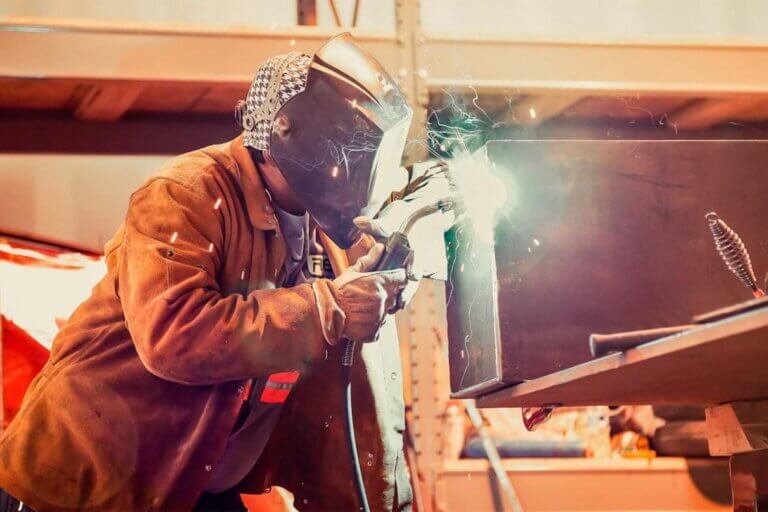
Industrial metal fabrication allows manufacturers to create structures or products by transforming metal materials. Steel, a popular metal alloy with an iron base, offers a unique blend of characteristics. If you are curious about “What Is Steel Fabrication?”, this extensive guide will cover:
Table of Contents

Steel fabrication is the process of reshaping raw steel into the final product using various techniques. It involves cutting, bending, welding, machining, and assembling the steel components to meet client specs.
Steel fabrication enables the production of strong, durable, and reliable components crucial in a variety of industries. The steel products are essential to transportation, construction, energy, agriculture, mining, and consumer goods production.
Because of the importance of steel products, those performing steel fabrication must ensure precision and accuracy at every step. With 40 years of experience in the industry, the Federal Group USA has steel fabricators who can do just that. We assess the project details and fabricate different types of steel products accurately and precisely for flawless results.
This strong, ductile, and versatile material is a staple in structural applications. The alloy contains between 0.05% and 2.5% carbon. The variation in carbon content gives rise to low-, medium-, and high-carbon steel.
Low-carbon steel, with up to 0.25% carbon, is more ductile, allowing for shaping and reforming. In contrast, high-carbon steel has between 0.6% to 2% carbon and 0.3% to 0.9% of manganese. Its sturdiness is ideal for building frameworks and structural elements.

Stainless steel is another popular variety with excellent rust resistance to moisture and chemicals. The alloy contains at least 10.5% chromium and typically less than 1.2% carbon. Chromium forms a passive layer along with iron oxides and hydroxides to impart rust resistance.
Chemical passivation can help further enhance the material’s corrosion resistance. The process enables easy cleaning and longevity in medical and food processing. Additionally, the aesthetic appeal and strength of stainless steel make it a popular choice for creating steel balls, architectural elements, and fixtures in construction.
Tool steel, a special steel type known for its hardness and ability to retain a cutting edge, can withstand high stress and temperature. This sturdiness is perfect for fabricating industrial tools, dies, and machinery parts.
There are five tool steel grades:
Alloy steel combines different elements, such as chromium, boron, nickel, silicon, and vanadium. The blend of elements enhances its strength, durability, toughness, and wear resistance.
The elements content can vary between 1% and 50%, resulting in low-, medium-, and high-alloy steels. Alloy steel is an excellent option for manufacturing body panels for heavy equipment and pipes for the petroleum sector.
Cutting is a critical process in steel fabrication that helps create specific shapes and sizes. It entails removing unwanted material from the main workpiece. Some common cutting processes include:
Forming and bending methods shape the steel workpiece into sheets, strips, bars, rods, and plates. Some bending techniques include:

Welding is a fundamental process in steel fabrication that joins different components. Common welding methods include:
Coating and finishing processes modify the steel products’ final features to enhance their lifespan and aesthetic appeal. Some finishing methods include:
Automation and robotics have significantly improved precision and efficiency in steel fabrication. Integrating robotic systems in cutting, welding, and assembly processes reduces human error while increasing production speed and minimizing waste. Using robotics also enhances worker safety by handling dangerous and labor-intensive tasks.
3D printing is revolutionizing steel fabrication by enabling the creation of complex designs. The technology makes design testing, refining, and rapid prototype casting easier before full-scale production. Its ability to layer steel material precisely enables custom manufacturing and opens new steel fabrication possibilities.
Adaptive technology enhances the flexibility of steel fabrication processes. Advanced software and machinery can adjust to different types of steel and fabrication needs in real time. This adaptability allows for more efficient handling of various materials and complex designs.
Rigorous quality checks ensure the safety and reliability of fabricated steel products. Quality control processes can detect and address potential issues before products reach the market. The checks help prevent product failures, safeguarding the end-users.
Common quality control techniques in steel fabrication include non-destructive testing (NDT) and thorough inspections. NDT methods, such as ultrasonic, radiographic, and magnetic particle testing, can detect internal and surface flaws without damaging the product. Rigorous inspections involve detailed visual examinations and measurements to guarantee compliance with specifications.
Adhering to standards and obtaining certifications, such as ISO (International Organization for Standardization) and AISC (American Institute of Steel Construction), help validate the quality of steel products. These certifications demonstrate that your steel fabricators follow best industrial practices.
Steel is an in-demand option for fabrication due to its versatility and strength. Different steel types, such as stainless steel and tool steel, are useful in building structures, industrial machinery, and consumer products like kitchenware. The material’s sturdiness can withstand heavy load bearing, providing a robust and dynamic solution.
Steel products are highly durable, capable of withstanding extreme conditions and resisting wear. Their durability enables minimal maintenance, delivering lasting performance and significant cost savings.
The reduced need for repairs and replacements may offset the initial investment in steel fabrication. Steel’s longevity and reliability ensure that it remains a preferred construction material.
The use of Artificial Intelligence (AI) in planning and design is a game-changer for metal fabrication services. AI algorithms can optimize structural integrity during steel fabrication while optimizing material waste.
Sustainability is also taking center stage, with the steel sector embracing eco-friendly and energy-efficient practices. The shift to recycled steel lowers the environmental impact while promoting a circular economy.
The Federal Group is at the forefront of embracing revolutionary and sustainable steel fabrication practices. We offer custom steel fabrication services to cater to your unique needs. Get a quote today and leverage our engineering expertise on your next steel project.

