August 29, 2025
Screw Machining: What Is It?
Screw machining is a manufacturing method that uses automatic lathes, also called screw machines, to create precisely turned parts within...
Read More


When it comes to manufacturing metal components, casting and forging are two of the most widely used techniques. While both methods offer distinct advantages, each is better suited to specific types of applications. With all the factors to consider, choosing between them isn’t always easy.
Understanding the most important differences is the key to selecting the best approach. That’s why the team at The Federal Group USA guides clients through this complex decision-making process, giving them the information they need to select the right process for their project.
Our goal is to help you produce cost-effective components in a timely and efficient manner. To assist you in choosing the best method for your application, this guide to casting vs. forging explains how each process works, compares their strengths and weaknesses, and highlights key factors to consider when choosing between them.
Table of Contents
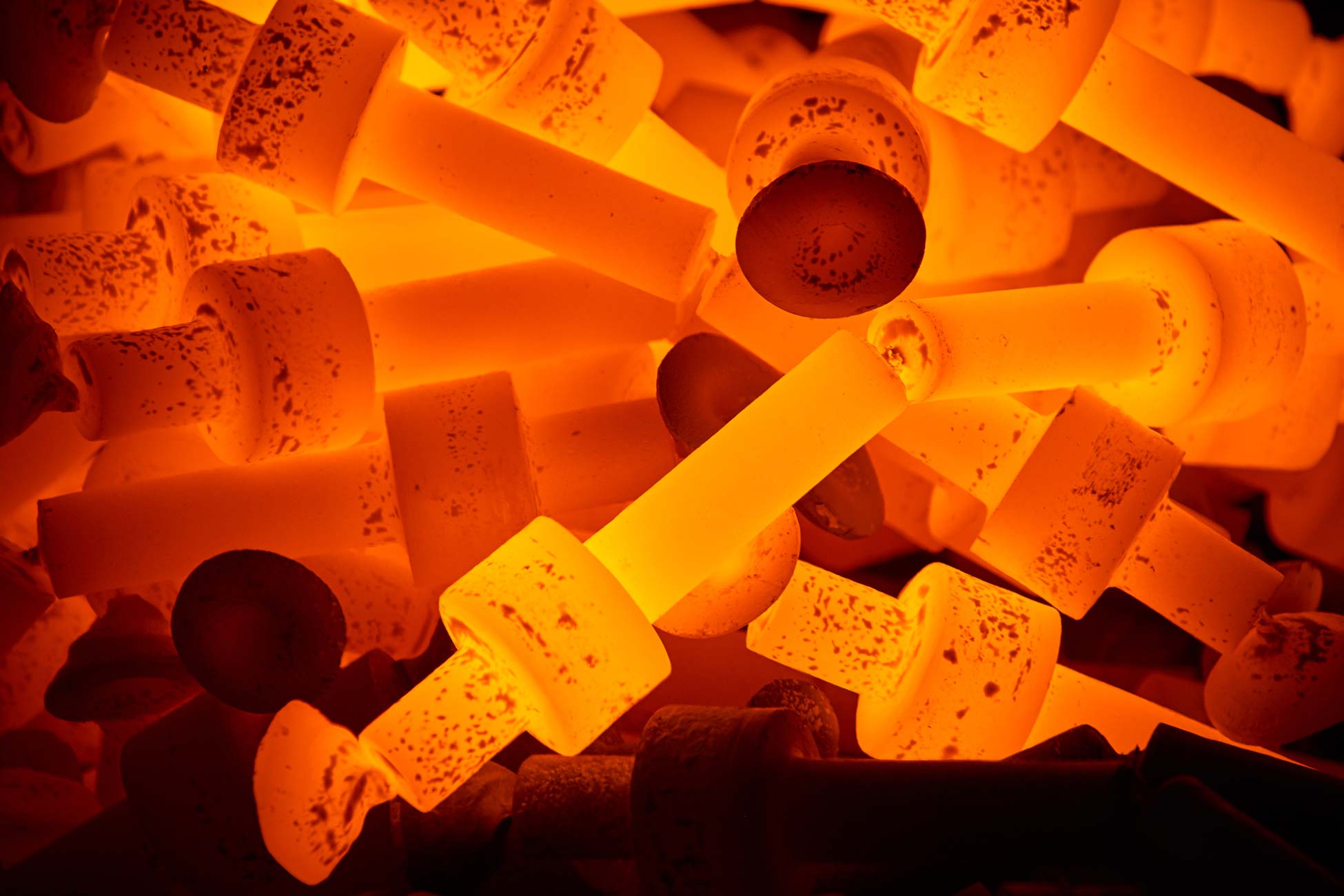
Casting and forging are two widely used manufacturing processes used to shape metal components. Each represents a broad category with a variety of specific techniques.
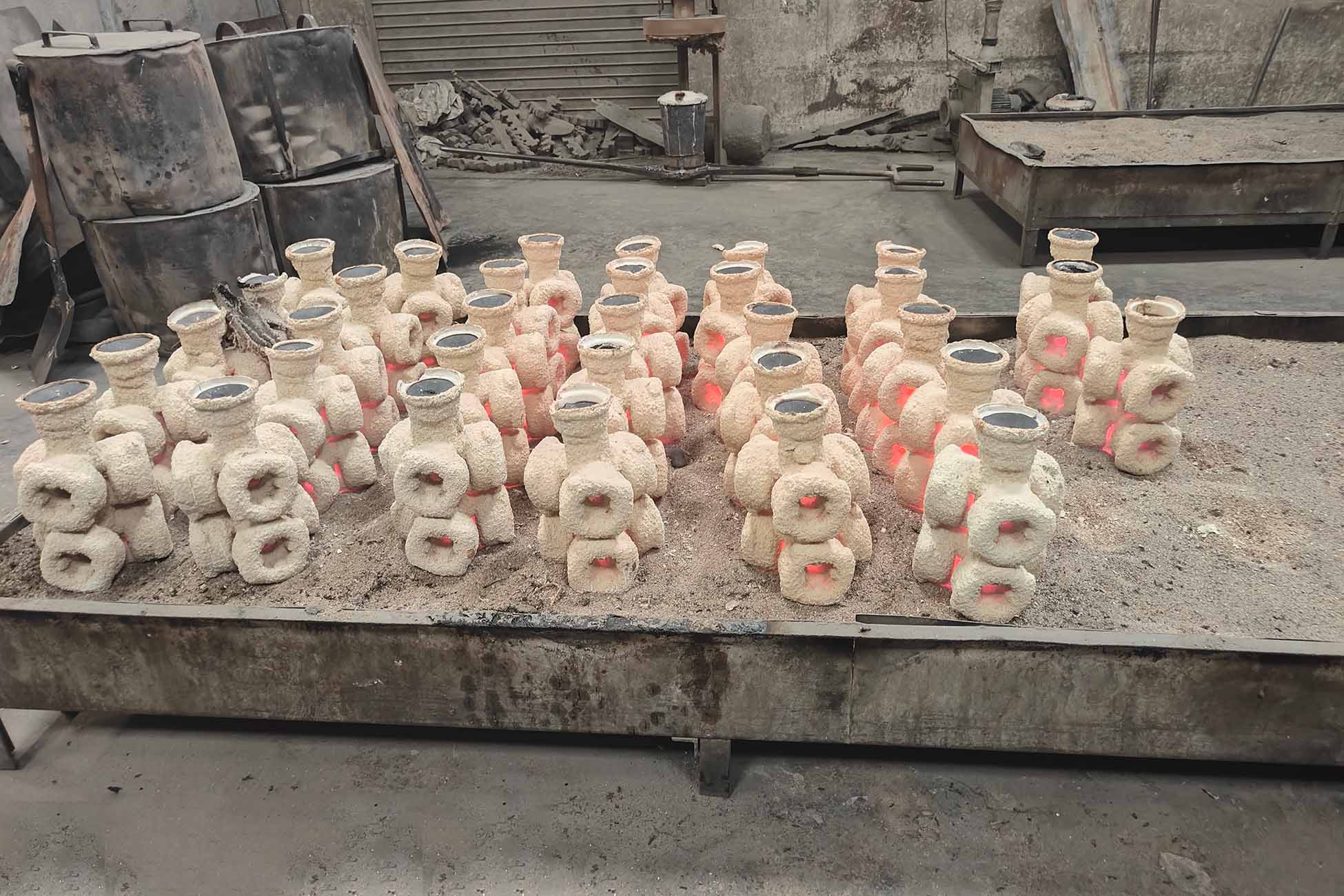
The metal casting process involves pouring molten metal into a pre-designed mold. It’s an ideal solution for components with complex geometries and intricate details. With casting, you have greater design flexibility and can use a wide range of metals and alloys, making it well-suited for parts like engine blocks, gears, and housings.
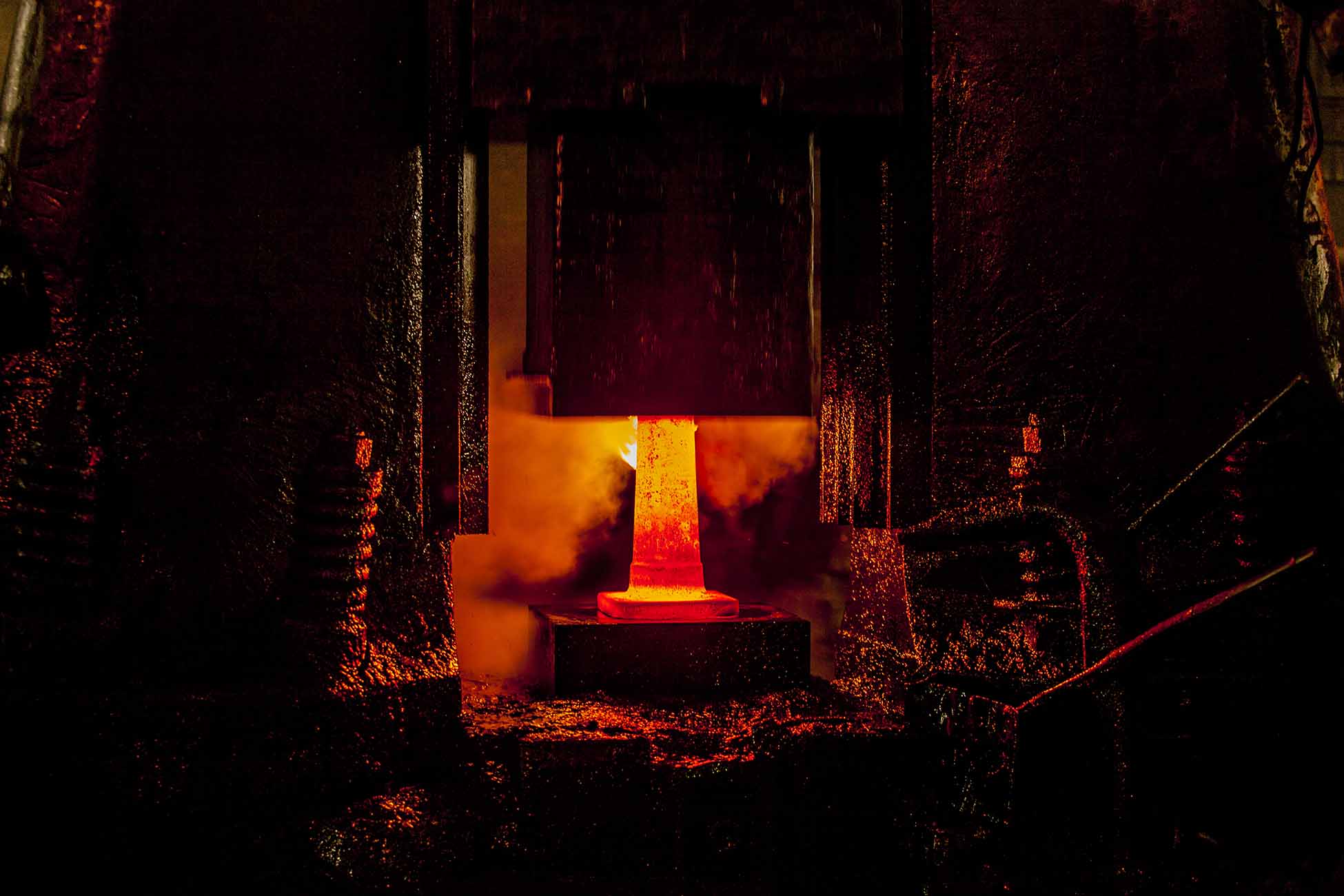
On the other hand, the metal forging process shapes metal using compressive forces, including hammering, pressing, and rolling, often performed on heated metals. Since forging increases the strength of metals by refining their grain structure, it’s ideal for applications where durability and wear-resistance are critical. Tools, fasteners, and movable parts for heavy machinery are often made using this technique.
In metal manufacturing, casting and forging influence factors like the strength, cost, and performance of manufactured components. When choosing between these two methods, it’s important to understand how each process works and how these techniques affect the mechanical properties of the final parts.
While the manufacturing processes of casting and forging differ significantly, there is substantial overlap between these two metalworking techniques. Both processes actually begin with cast metal that has been poured into a mold and solidified.
In casting, the entire process takes place at the foundry. It starts with developing patterns and core boxes, followed by melting and pouring the metal. Once cooled and solidified, the casting is removed from the mold, and finishing operations, such as cleaning or machining, are completed.
Forging also starts with large blocks of cast metals weighing up to several tons. Often, the metal is heated to make it more malleable, and then it is shaped by hammers and presses. Forged parts typically require extensive machining, and welding may also be necessary before finishing can begin.
The mechanical properties of a component, such as strength, ductility, hardness, and corrosion resistance, are crucial factors in determining whether casting or forging is the best manufacturing method. In this section, we’ll explore how casting and forging processes influence mechanical properties and affect the overall performance of the component.
When determining how metal will perform under stress, the two most important considerations are strength and grain direction. Because castings are made from molten metal, they are isotropic, meaning their properties are uniform in all directions. This makes them well-suited to applications where force is applied from multiple directions.
In contrast, forgings are anisotropic. This means the metal is stronger along the direction of its grain, with weakness in the other direction.
Ductility is a material’s ability to stretch, bend, or compress without breaking, while hardness refers to its ability to resist deformation. Because of the importance of these properties in metal manufacturing, it’s important to understand what they are and how the casting and forging processes affect them.
There is an inverse relationship between ductility and hardness. More ductile metals, such as copper or aluminum, can bend and stretch without breaking, but they may be too soft for your application. Conversely, metals like hardened steel or tungsten carbide are excellent at resisting damage and wear, but they are more prone to cracking and breaking.
Since casting and forging impact both ductility and hardness, you need to determine which is more important in your design. Forging typically makes metals harder and stronger by refining the grain structure. On the other hand, aluminum die casting components are an example of high-ductility parts that can flex slightly under stress.
It really depends on how your component will be used. If it needs to flex under constant pressure or absorb stress, ductility is more important. Alternatively, if it’s exposed to friction or abrasion, hardness might be more critical.
Different projects are subject to different environmental conditions, including exposure to heat, chemicals, and moisture. Since these conditions can significantly impact the performance and durability of components, it’s important to consider how casting and forging processes impact the performance of metals under harsh conditions.
In general, assuming the same materials are used, casting and forging perform equally well when it comes to temperature, corrosion, and wear resistance. However, there are some important factors to consider.
Forged components have fewer voids or defects, which makes them slightly more reliable under high-stress or high-temperature conditions. Meanwhile, casting allows for using specialty alloys that enhance properties like heat and corrosion resistance.
Specialty alloys, such as stainless steel and titanium alloys, are engineered for superior strength and corrosion resistance. However, these benefits come at a significantly higher cost. Designers and metal manufacturers must weigh the higher costs of specialty alloys against the important benefits they provide.
When working with specialty alloys like titanium alloys, stainless steels, or cobalt alloys, the choice between forging and casting becomes even more important. Forging enhances strength while casting allows for complex geometries. Ultimately, selecting the right process depends on factors like cost and the intended use of the component.
Now that we’ve reviewed how casting and forging work and covered some important differences between them, we can break down the key factors that will help guide which one you choose. First, we’ll look at design and material considerations, then focus on how production and finishing processes can affect your decision.
The design and materials of your component play a major role in determining if casting or forging is a better fit. Factors like the size and weight of the part, the composition and thickness of the material, and the thickness and complexity of the shape all influence which process will deliver better results.
When the strength of a component is a priority, forging is often the preferred method for small and medium parts. However, for large or heavy components, casting is more practical due to its ability to handle significantly greater volumes.
With forging, the size of a component is limited by the capacity of the forging press or hammer. The forging equipment becomes increasingly complex and expensive at larger scales. Foundries, on the other hand, can accommodate extremely large molds and melt huge quantities of metal to produce components like engine blocks, pump housings, and turbine casings for a fraction of the cost.
The material composition directly impacts both the feasibility and cost-effectiveness of forging versus casting, depending on the available alloys and their suitability for successful forging or casting.
Several factors influence whether a material is better suited to forging or casting:
Some types of metals are not forgeable at all, such as work-hardenable steel alloys with high manganese content. These alloys become harder and harder with increased work, making them ideal for applications such as dipper teeth and compactor feet. However, because they resist deformation, they must be manufactured using casting methods such as sand casting or investment casting.
Section thickness refers to how thick a component is at its broadest cross-section, and it plays a key role in deciding between forging or casting. Forging is impractical for shaping thick sections of metal as it requires large equipment and significant force.
Unless the application truly demands the mechanical advantages of forging, casting is usually selected for thick shapes. Since molten metal can flow almost anywhere in the mold, this method is better for accommodating shapes with thicker sections.
Manufactured metal components vary widely in how intricate or detailed their shape is. Many have features like undercuts, internal cavities, protrusions, or thin walls. Casting is the obvious choice for components with complex geometries since molten metal can flow into molds, precisely capturing the details of the mold design.
By contrast, forging is generally better suited to simple shapes. While some complex shapes can be forged using a multiple-step forging process, intricate internal shapes are impossible to achieve with this method.
Before the actual casting or forging begins, there are critical steps, such as tooling and setup, to prepare for production. Afterward, there are finishing operations, quality assurance, and potential machining that must be done to achieve the final product. All of these stages can impact lead times and costs, and must be considered when determining which process is most suitable for your project.
Before production can begin, both forging and casting require careful planning and specialized tooling. In casting, this means designing and making patterns and molds. Forging involves making precision dies or tooling for hammers and presses, often from expensive, high-strength materials. In both processes, part complexity and production volume affect the time required for setup and the associated costs.
These early steps not only impact costs and lead times, but also how easily a design can be changed. Casting, especially when using sand molds, offers greater flexibility for design changes and is preferred for prototyping. Casting also offers advantages when it comes to large parts, specialty alloys, and parts with complex geometries.
For both forging and casting, production costs depend on several factors, including materials, labor, and production volume. For high-volume production runs, forging usually offers better value, especially when strength and precision are important design requirements.
While casting usually has lower upfront costs, the costs are higher for each component, especially when using sand molds. Permanent molds can lower production costs for casting, but they are expensive to produce and are only cost-effective for longer runs.
Defects are an important concern in both casting and forging, which is why metal manufacturers rely on quality control measures. Visual inspections are often used, but in some cases, non-destructive testing (NDT) techniques, such as magnetic particle inspection, are required to verify the structural integrity of the part without damaging it.
Castings are more prone to defects like voids, cavities, shrinkage, and cold shuts, which occur because of how the molten metal solidifies in the casting. These defects are more common in parts with complex geometries or thick sections. By contrast, forgings have fewer voids due to the compressive forces placed on the metal. However, defects like laps, folds, or cracks can occur, especially if the temperature or forming speed isn’t controlled properly.
Once components are forged or cast, they may need to be assembled or joined together using welding or other fabrication techniques. In general, castings are more weldable than forgings because the metals often have a lower carbon content and fewer elements that can interfere with welding. Forgings may require more preparation or special welding techniques, especially for specialty alloys.
To meet precise specifications, most metal components require some machining after forging or casting is complete. Finishing operations, including polishing, coating, or anodizing, may also be applied.
Forged parts often require more extensive machining due to their tighter grain structure and less precise shapes. Castings, especially those produced with precision techniques like investment casting, usually come closer to their final dimensions and require less machining.
In both cases, CNC machining is a common technique. This machining method can accommodate components with intricate designs and complex shapes and produces parts to your exact specifications.
No single manufacturing process is ideal for every application. Choosing between forging and casting depends on a wide range of factors, from part complexity to production volume. The Federal Group USA brings extensive expertise to both metal manufacturing methods and works closely with you to ensure you choose the most efficient and cost-effective process for your project.
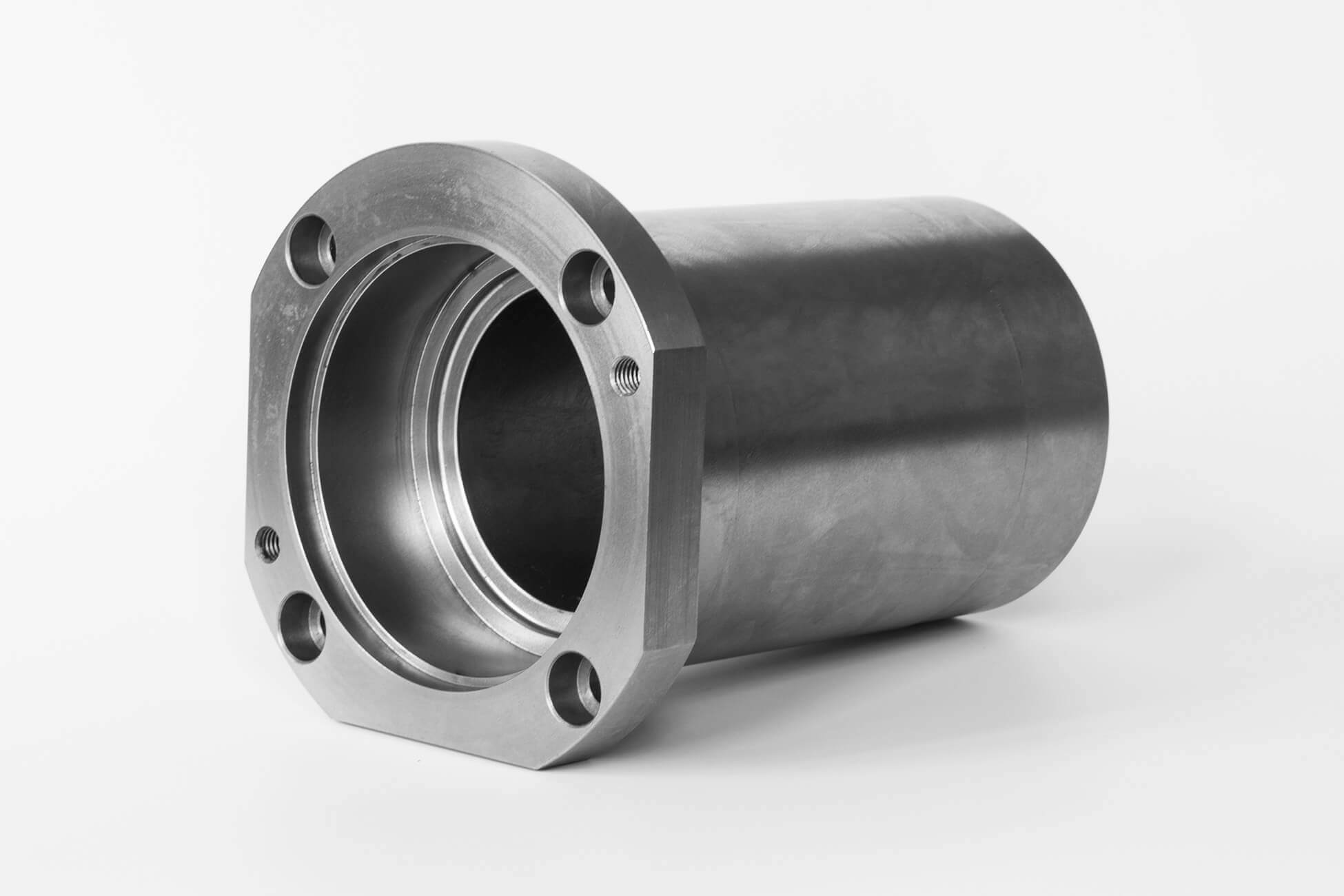
When determining whether casting or forging is better for certain applications, it is helpful to understand that both play vital roles in manufacturing across a wide range of industries. Here are some key industry applications, highlighting the uses of casting and forging:
In the energy industry, castings are used for components with complex geometries, including pump housings, valve bodies, and turbine blades. Forgings are used for simpler designs that require superior strength and durability, like crankshafts and high-pressure fittings.
When it comes to producing manufacturing equipment, casting is often preferred for parts such as machine housings, valve bodies, and complex gears. Forging is usually better suited for high-performance industrial gears and heavy-duty presses.
For medical devices, the type of metal required for a component often determines the most suitable metal manufacturing method. For orthopedic medical devices that require exceptional strength and biocompatibility, such as hip and knee replacement parts, forging is a common method. Other components, including implants like pacemakers, are often cast from specialty alloys.
In construction, both casting and forging are used to produce a wide range of components, from structural elements to custom fasteners. Forging is a common method used to produce bolts, anchors, and heavy-duty fasteners, while casting is ideal for producing complex shapes, such as pipe fittings and brackets.
From decorative items to functional hardware, both casting and forging contribute to the production of consumer goods. Tools and miscellaneous hardware are often forged, while components like appliance parts and furniture hardware are often made from castings.
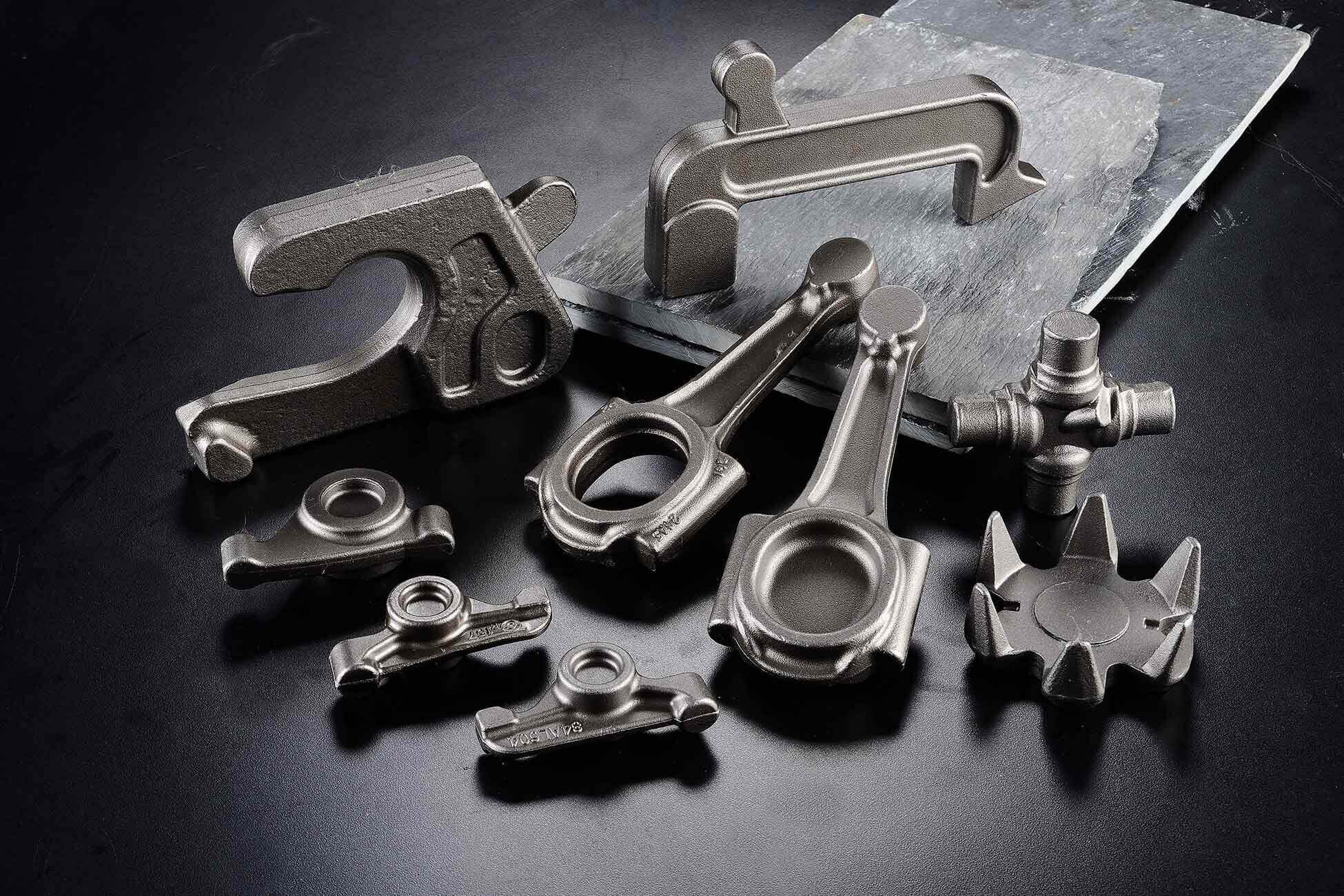
The environmental implications of casting and forging vary significantly, with each method presenting distinct challenges and opportunities for sustainability.
Casting typically requires higher energy consumption than forging due to the need to melt metal to high temperatures. Increased energy consumption often leads to increased greenhouse gas emissions, especially if fossil fuels are used. Waste material, including scrap metal and sand, is another significant impact on casting. However, recent innovations in casting, like 3D printing, have made precision casting a more sustainable technique.
Although forging doesn’t use as much energy, there are still environmental impacts related to energy consumption. For example, while both cold forming and hot forging consume energy, hot forging suppliers use a significant amount of energy. Additionally, forging also produces considerable material waste. The use of recycled materials and efforts to reduce scrap waste have made forging a more sustainable process.
Ongoing research and technological innovations in casting and forging continue to reduce the environmental impacts of metal manufacturing. As demand for green products continues to rise, more companies are seeking sustainable manufacturing methods.
With digital and technological advancements, there have been significant innovations that have affected every industry over the past ten to twenty years. The metal manufacturing sector is no exception, with both casting and forging techniques evolving to enhance efficiency and minimize waste.
Future trends will continue to shape metal manufacturing practices and expand the capabilities of both casting and forging. As more state-of-the-art techniques are developed, industries continue to benefit from increased efficiency and expanded design possibilities.
When deciding between casting and forging, key factors to consider include the size and complexity of your project, the production volume, and the material requirements. Defining what constitutes “large” or “complex” for your application can be a good place to start to help guide your decision.
There are often overlaps where neither process outperforms the other, and each project must be evaluated individually. By making informed decisions early in the design process, you can unlock cost savings and improve efficiency later in the process.
The Federal Group USA recommends working closely with experienced foundries and metal forging suppliers to explore your options and obtain competitive quotes on materials and production.
Casting and forging each offer unique advantages, playing important roles in manufacturing due to their ability to produce complex shapes with strength and flexibility. As new technologies continue to enhance the efficiency of these methods, selecting the right approach for your application has never been more crucial.
At The Federal Group, we understand that the task of choosing between the two can be daunting. If you are looking for a qualified casting or metal forging manufacturer who will help you make the best decision for your project, contact us today for a free quote.