February 24, 2025
Die Casting vs Sand Casting: Which Is Best for You?
Casting is a popular modern metal manufacturing method that involves molten material and a mold. Die casting and sand casting...
Read More

Steel is an alloy metal that mainly comprises carbon, iron, and other trace elements in varying concentrations. The difference in compositions gives rise to alloys with unique traits.
One special steel type is carbon steel. Here’s an extensive insight into what carbon steel is, its different variants, special properties, uses, and future trends.
Carbon steel contains a higher carbon concentration than other steel variants. Other types of steel have a relatively low carbon composition of around 0.05% to 0.3%.
Meanwhile, the carbon content in carbon steel can reach up to 1.25%. While this concentration may sound insubstantial, it provides several excellent properties not present in other metals, such as an appealing strength-to-cost ratio.
There are four main carbon steel grades, each with unique features. Understanding the different carbon steel compositions allows you to pick the right carbon steel material for a specific use.
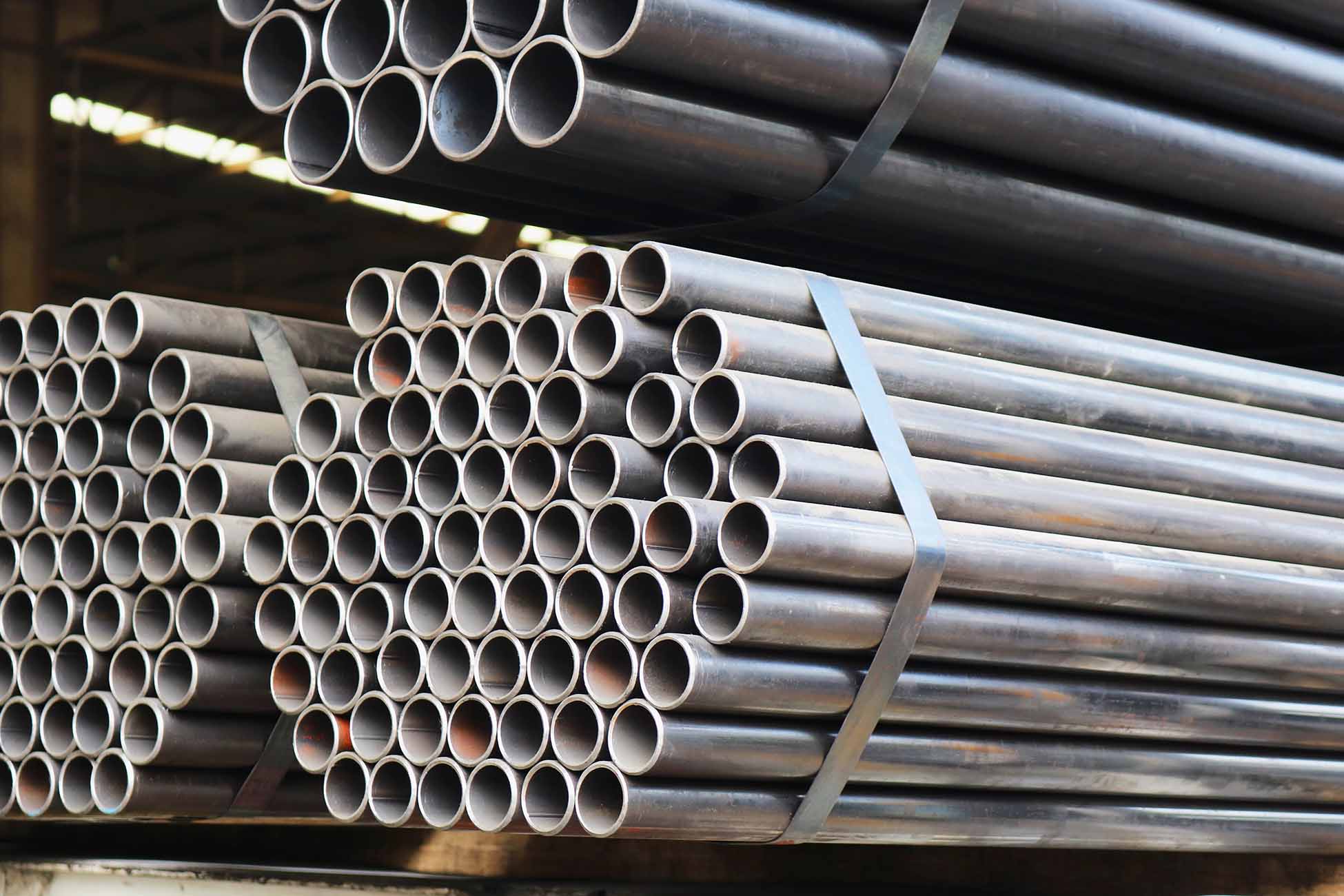
This carbon steel type contains about 0.05% to 0.25% of carbon. It is one of the most common and largest carbon steel groups. Mild steel is inexpensive, soft, and easy to form. These traits make it an ideal option where high tensile strength isn’t required, such as fencing, pipe manufacturing, cookware making, and construction frame creation.
A notable limitation is that mild steel cannot experience hardening through heat treatment to form martensite. This brittle structure often forms when steel rapidly cools during quenching from a high temperature.
Luckily, there are alternative ways to harden the material, like cold working and adding alloying elements to create high-strength, low-alloy steel. This low-alloy steel contains up to 10% of:
This carbon steel variant contains about 0.25% to 0.60% of carbon and 0.6% to 1.65% of manganese. Adding manganese enhances this steel type’s strength and hardenability.
Subjecting the material to heat treatment further improves its mechanical features. You can also add molybdenum, chromium, and nickel.
Such hardened medium-carbon steels are more sturdy than low-carbon steels at the expense of ductility. This material is preferred in the heavy machinery industry to create parts like shafts, gears, and axles.
This type of carbon steel comprises about 0.6. to 1.25% of carbon and 0.30 to 0.90% of manganese. Despite having the lowest ductility, it is the toughest of the carbon steels.
The material’s high carbon content makes it very wear-resistant. Some of the specific high-carbon steel types you may find in high-wear resistance scenarios include tool steels and die steels. They contain additional alloying elements that help in the formation of carbide compounds, including:
Is carbon steel strong? Well, this variant contains more than 1.25% carbon, imparting an exceptionally high hardness. It is ideal for applications that need excellent durability, such as cutting tools.
Carbon steel has versatile characteristics that make it invaluable across multiple industries.
This metal’s mechanical characteristics depend on its carbon content:
Heat treatment comprises a group of controlled heating and cooling processes that alter a metal’s physical properties. Some of the most common ones include:
These techniques enable the customization of carbon steel for specific uses, from structural beams to precision tools.
The grain structure and size of carbon steel particles influence its mechanical behavior. For instance, fine-grained steel offers superior strength and toughness to coarse-grain steel. The fine-grained variant can better resist deformation and cracks.
However, there’s a higher chemical reactivity and energy at the grain boundaries. As a result, a high density of these grains at the boundaries impacts the material’s corrosion resistance performance. Controlling grain size, structure, and boundaries is essential in applications that require resilience, such as pressure vessels and machine frames.
You can leverage different manufacturing methods to manipulate carbon steel into durable, precise, and cost-effective components.

This metal-forming process allows you to shape carbon steel at room temperature using high pressure. Cold-heading, also known as cold forging, involves the use of dies and hammers at high speeds to remodel the carbon steel workpiece at a low forging temperature.
Low and medium-carbon steels are ideal for cold-heading because of their ductility and ability to withstand deformation without cracking. The process optimizes material usage by reshaping instead of cutting. It also enhances strength through strain or work hardening, making the resulting parts reliable for structural and mechanical uses.
The two main ways of achieving cold heading include:
This entails feeding a large carbon steel wire coil into a drawing machine. The machine then cuts the material into the desired length while compressing it into the desired diameter.
This process can be forward or backward.
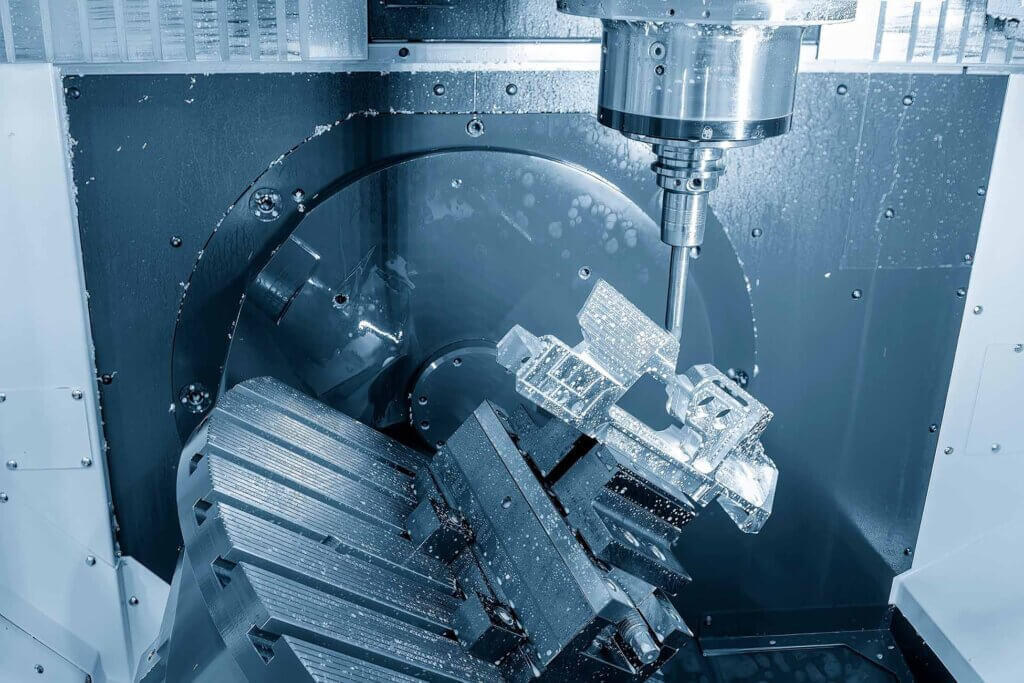
The machining process involves using different machines to cut and shape the carbon steel workpiece into the final product. The different types of carbon steel precision CNC machining processes available include:
Unless heat-treated to wear-resistant or high-tensile levels, carbon steel is generally easy to machine. The carbon steel type with a lower carbon content is more ductile and easier to machine.
The lost-waxing or investment casting process entails creating precise parts by pouring molten carbon steel into molds formed around wax patterns. Carbon steel for investment casting utilizes a wax pattern with a surrounding ceramic shell to create a ceramic mold.
When this shell dries and hardens, the wax melts away, leaving the formed molds. You can then pour molten carbon steel into the ceramic mold to take up the shape and form a replica of the wax pattern.
Investment casting is ideal for the repeatable low-volume production of parts from low- and medium-carbon steel components.
Carbon steel is central to manufacturing due to its numerous advantageous properties. However, like any manufacturing raw material, it comes with its fair share of challenges.
Carbon steel offers the following appealing advantages:
Despite all the benefits, some carbon steel types are:
How does carbon steel differ from other steel alloys? Well, when weighing it up against a non-ferrous metal like stainless steel, there are various things to consider to understand the difference between carbon and stainless steel.
The carbon steel industry has seen transformative shifts due to technological advances, evolving market dynamics, and growing sustainability efforts. Some of the notable carbon steel industry innovations include:
Carbon steel and steel alloys are essential to making parts across industries, such as construction, machinery, energy, and home appliances sectors. The material’s adaptability and affordability make it a pillar of modern production.
The Federal Group USA experts utilize carbon steel for cold heading and precision CNC machining of different products. Contact us today to learn more about our carbon steel investment casting and how we can support your manufacturing goals.