August 05, 2024
Machine Screws Explained: Everything You Need to Know
With an estimated value of $89.34 billion in 2024, the global industrial fasteners market is expected to grow at a compound...
Read More


Aluminum die casting is a time-tested, cost-effective manufacturing method. Ideal for fabricating massive quantities of intricate parts, it is a sustainable manufacturing solution for a wide range of industries, including agriculture, construction, heavy equipment, industrial storage, and manufacturing machinery.
In this post, we’ll answer the question, “What is aluminum die casting?” and explain the most important parts of the process.
Table of Contents
First invented in 1838, die casting is the process of forcing molten metal into a steel mold to fabricate a part. Unlike gravity die casting, where the molten metal is poured directly into the mold, high-pressure die casting applies significant pressure to the liquid metal to force it into the die. This pressure usually ranges between 1,500 and 25,000 psi.
Typically, die casting works well for non-ferrous metals such as aluminum, zinc, or copper. It’s especially effective for producing parts with intricate geometries and generally produces a quality surface finish.
While other materials such as zinc and magnesium are also used, aluminum is the most common material for die casting due to its advantageous properties, such as:
While other materials, such as zinc, possess desirable properties that also lend themselves well to die casting, aluminum’s lightweight resilience and versatility make it the metal of choice for many parts made by die casting.

The aluminum die-casting process is both simple and efficient. The exact steps may vary with the type of injection method, but a general overview of the die-casting process is:
After the part is extracted, some machining may be needed to produce an especially fine finish or to remove the seam that naturally occurs where the two mold halves meet. However, this type of manufacturing process usually requires minimal surface finishing, one of its chief advantages.
Die casting is an excellent way to mass-produce intricate, high-precision parts, but other metal casting methods include:
While each process has advantages, manufacturers often prefer die casting because of its superior surface finish and suitability for high-volume production. The ability to inject the molten metal into hard-to-reach cavities also gives die-casted products a more uniform wall thickness for greater strength.
The chief disadvantage is that the upfront cost of designing and building the mold can be more significant, but higher production rates and a longer mold lifetime can offset this.
Aluminum is a highly diverse metal with multiple alloys, each with its own material properties and unique applications. The most common aluminum alloys and their chemical compositions are:
The unique material properties of each alloy make them suitable for different applications. For example:
Consider your part’s application when choosing an aluminum alloy for your die-casted part.
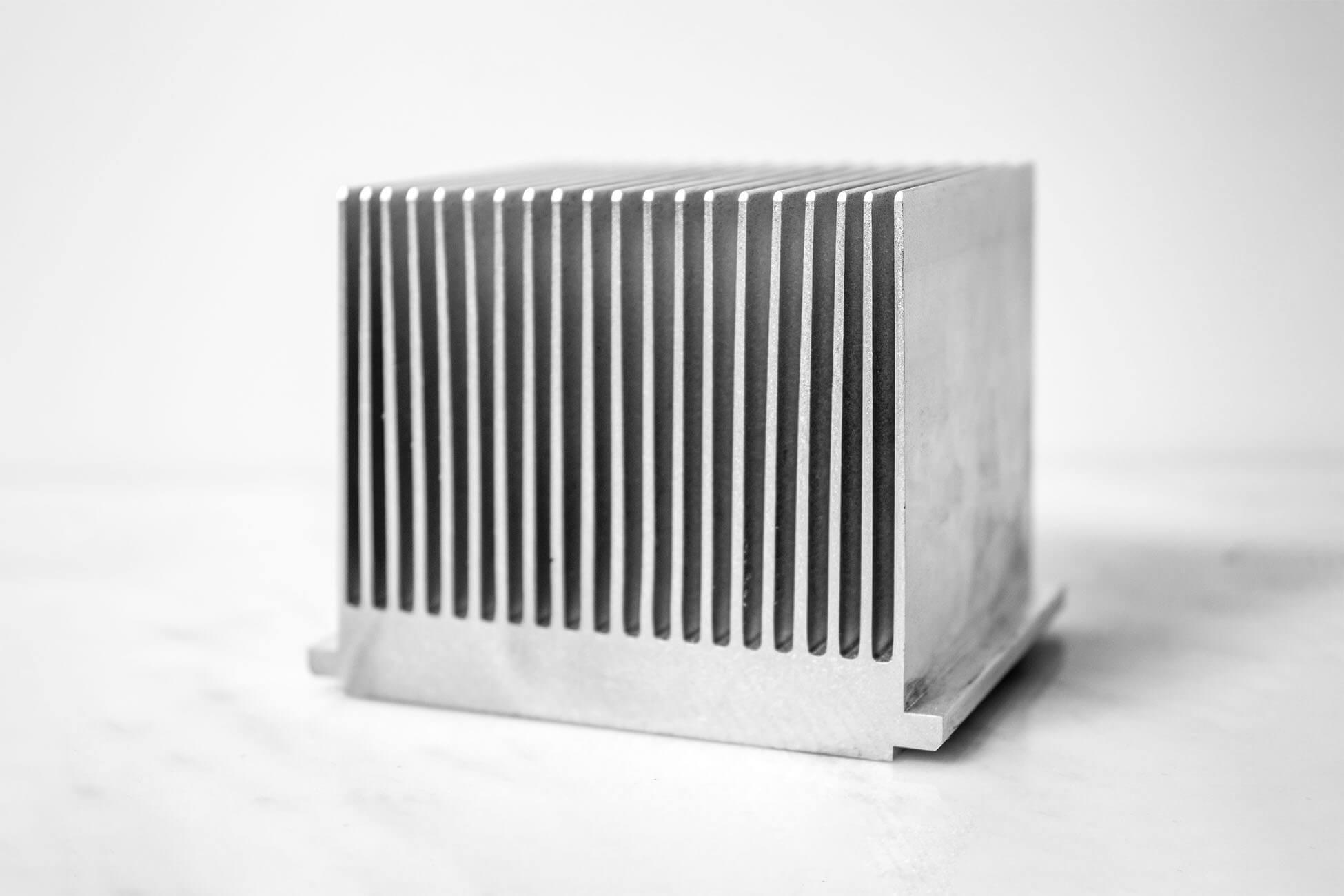
Because aluminum has so many alloys, many industries use it. The primary industries that rely on die-cast aluminum are:
Aluminum is lightweight, conductive, and durable, making it the ideal material for any application requiring these properties at a cost-effective price.
Die casting allows you to inject the molten metal into the crevices that gravity-poured aluminum would be least likely to flow into. This creates uniform wall thickness across the entire product, reducing the likelihood of air pockets and subsequent cracks or casting defects. Aluminum die-casting components are more uniform than those built from other manufacturing processes.
Machining allowances supply extra material to die-casted parts to account for surface roughness, slight shape deviations, and the need for additional machining. This ensures that the final product meets any precise requirements after machining and removes any imperfections to achieve the desired final design.
The aluminum die casting of parts typically requires very little surface finishing, but when it does, there are several surface finishing options available, including:
With such a wide variety of finishing options, aluminum die-casting providers can offer the surface properties needed for nearly any application.
Aluminum die casting is a very efficient, low-cost, and highly sustainable manufacturing method. Aluminum is completely recyclable, meaning manufacturers can reuse any scrap or wasted material in the next round of production. Also, recycling aluminum saves up to 95% of the energy required to produce new aluminum from bauxite ore.
This makes aluminum an environmentally friendly solution for many everyday products.
Time-tested, aluminum die casting has proven to be one of the most effective manufacturing processes for creating intricate parts that would otherwise be impossible to produce. The Federal Group is proud to work with industry leaders across many sectors as they integrate our die-casted components into their assemblies, and our experts are eager to help your team as well.
Contact us today to learn more about what our aluminum die casting company can do for you.