July 20, 2026
Choosing the Best Aluminum Alloy for Die Casting
Choosing the right aluminum alloy is critical to the success of any die casting project. The material you select affects...
Read More

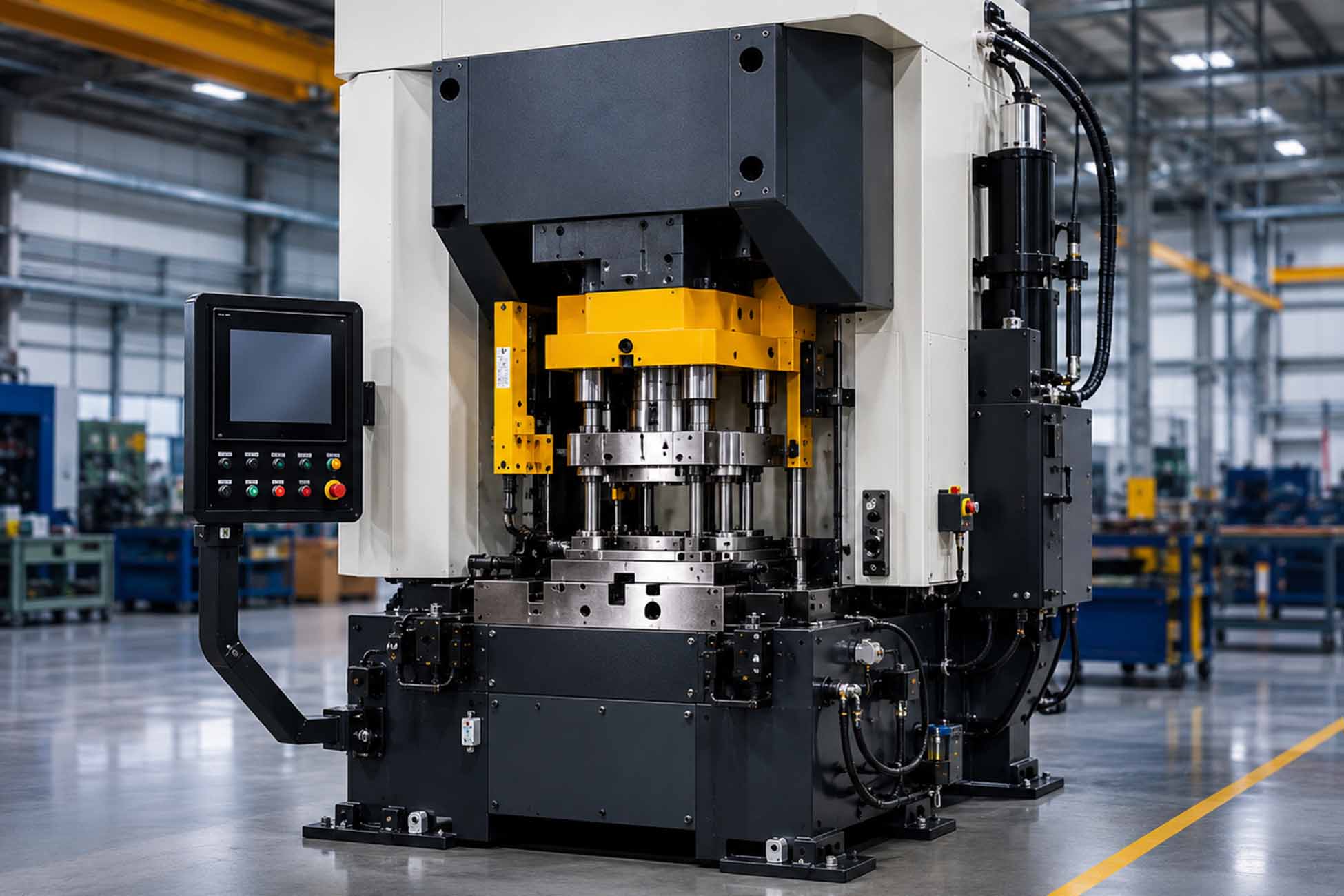
Stainless steel forging produces components that are stronger, denser, and more fatigue resistant than cast alternatives. By compressing the metal under extreme pressure, the forging process refines the grain structure, improves mechanical properties, and creates parts capable of performing in demanding industrial environments. This guide explains how stainless steel is forged, compares common grades like 304, 316, 410, and 17-4 PH, and outlines when forging is the best manufacturing method for production.
Table of Contents
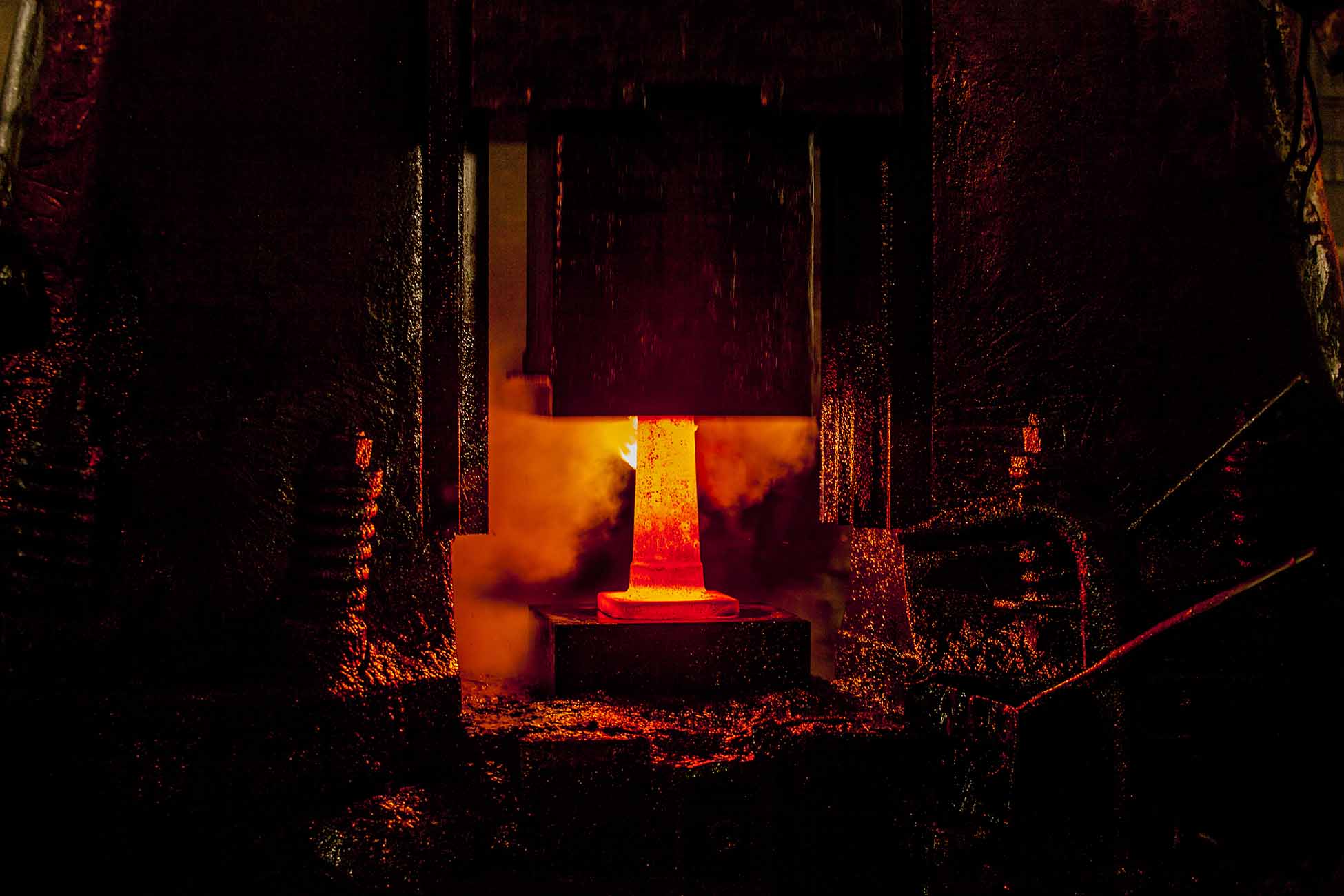
Stainless steel forging is a manufacturing process that shapes heated stainless steel using compressive force instead of melting the metal. This refines the material’s grain structure, producing stronger, more durable components with excellent fatigue and corrosion resistance. It’s widely used for demanding industrial applications where strength and reliability are critical.
The best stainless steel grade depends on your application’s environment, strength requirements, and corrosion exposure. The table below compares the most common grades used for forged components.
Grade | Best For | Key Benefits |
304 | General industrial applications | Cost-effective, excellent corrosion resistance, easy to fabricate |
316 | Marine, chemical, and food processing | Superior resistance to chlorides and harsh chemicals |
410 | High-wear components | High hardness, wear resistance, and heat treatability |
17-4 PH | High-strength, precision components | Exceptional strength with excellent corrosion resistance |
304 and 316 are the most common choices when corrosion resistance is the priority. 410 is often selected when hardness and wear resistance are more important, while 17-4 PH provides an excellent balance of strength and corrosion resistance for demanding applications.

Several forging methods are used to manufacture stainless steel components, each offering unique advantages depending on the part design, production volume, and performance requirements.
Yes. Stainless steel is an excellent forging material because it offers a combination of strength, toughness, and corrosion resistance. When forged correctly, it also develops improved grain flow and greater fatigue resistance than many cast or machined components.
The best grade depends on the application. 304 is a versatile choice for general-purpose use, 316 is preferred for corrosive environments, 410 provides excellent hardness and wear resistance, and 17-4 PH is ideal for applications requiring high strength and corrosion resistance.
Generally, yes. Forging refines the metal’s grain structure and reduces internal porosity, resulting in components with higher strength, better impact resistance, and improved fatigue performance than cast stainless steel.
Stainless steel forging typically has higher upfront tooling costs than casting or machining. However, it often reduces long-term manufacturing costs by producing stronger, more durable parts with less material waste and improved production consistency.
Stainless steel forging offers one of the best combinations of strength, corrosion resistance, and long-term durability available for high-performance industrial components. When paired with the correct alloy selection, tooling design, and quality controls, forged stainless steel parts can deliver decades of reliable service while reducing machining costs and improving production consistency.
TFG USA provides custom metal forging services for medium- to high-volume production. From material selection and design support to quality assurance and supply chain management, we help manufacturers produce high-quality forged components that meet demanding performance and production requirements.
Ready to get started? Contact TFG USA today to discuss your project or request a quote.

