

Investment Casting Services for the Medical Industry
The Federal Group USA is a leading U.S.-owned manufacturing partner producing custom medical investment casting since 1980. Using the precision lost-wax process, advanced foundry machinery, and biocompatible materials like titanium and stainless steel, we help clients turn intricate medical prototypes into medium to large volume production runs. We manage the full production lifecycle to help every component meet your exact engineering specifications.
Request a QuoteWhy Choose The Federal Group for Medical Investment Casting
Precision, quality, and regulatory-focused manufacturing make TFG a trusted investment casting partner for medical device and equipment manufacturers.
QMS 9001:2015 Certified
Our QMS 9001:2015 Certified facilities maintain strict dimensional stability across all custom metal medical components.
Material Certifications
Every project includes comprehensive material certifications verifying precise alloy composition and mechanical properties for strict medical applications.
Casting Technology
Our capabilities include advanced wax injection equipment, ceramic shell molding systems, and induction melting furnaces.
Size Capabilities
We support components ranging from small, intricate precision parts weighing just a few grams to larger castings weighing over 100 pounds.
Medical Investment Casting Processes & Technology
Advanced investment casting processes and precision manufacturing technologies enable TFG to produce complex, high-quality medical components with the consistency and reliability required for demanding healthcare applications.

Ceramic Shell Investment Casting
Our investment casting process uses precision ceramic shell molds to produce complex medical components with excellent dimensional accuracy, fine surface finishes, and near-net-shape geometries that minimize secondary machining.

Automatic Wax Injection Machines
High-precision wax injection machines create consistent wax patterns that accurately reproduce intricate part features and tight tolerances, ensuring repeatability from prototype through full-scale production.
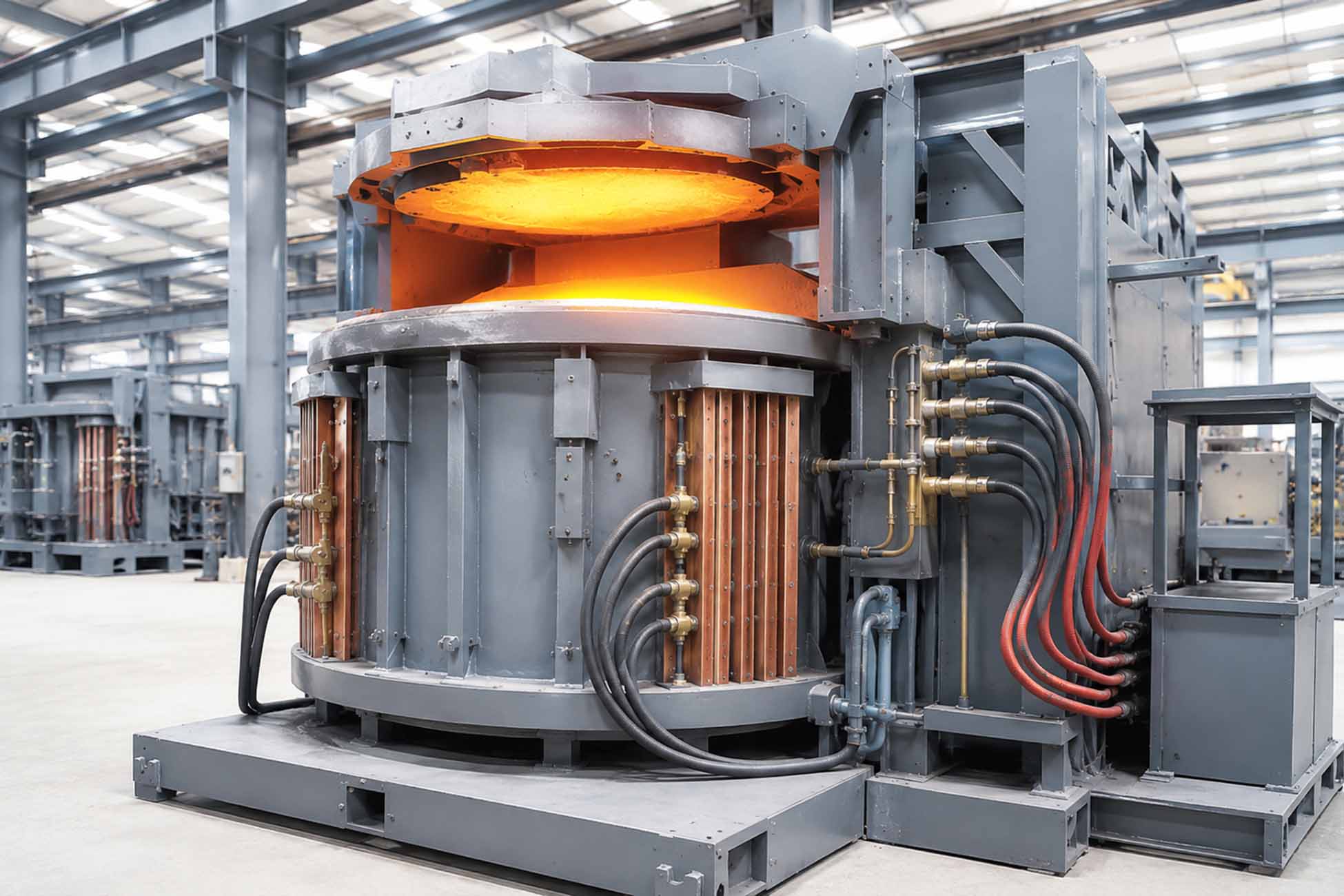
Induction Melting Furnaces
Modern induction melting furnaces provide precise temperature control for stainless steel and specialty alloys, producing clean, high-quality castings with consistent metallurgical properties for demanding medical applications.
Specific Medical Investment Casting Materials We Use
Selecting the right alloy is critical for patient safety and part performance. We match specific medical grade investment castings to their intended environments, prioritizing biocompatibility and structural integrity. The table below outlines the core metals we process and their precise medical applications.
Material | Key Properties | Ideal Medical Applications |
Titanium | Offers superior biocompatibility and an exceptional strength-to-weight ratio. | Orthopedic implants, hip joints, knee replacements, and bone screws. |
Stainless Steel (304 and 316) | Highly corrosion-resistant and withstands repeated harsh sterilization cycles. | Surgical instruments, forceps, handles, and laparoscopic tools. |
300-Series Stainless Steel | Provides essential non-magnetic properties and high structural stability. | MRI machines, MRI scanners, and scanning equipment components. |
Cobalt-Chromium | Delivers extreme wear resistance and long-term durability under friction. | High-wear joint replacements and specialized devices. |
Aluminum Alloys | Provides excellent strength-to-weight characteristics for complex lightweight housings. | Structural components for ventilators and surgical robots. |
Aluminum investment casting provides lightweight, complex components with excellent strength-to-weight ratios. Explore our aluminum investment casting services.
Secondary Processes and Finishing Capabilities
While the lost-wax method yields near-net shapes, critical medical components often require finishing work to meet final specifications. We manage a complete suite of post-casting processes to finalize your investment castings for medical applications. This integrated approach helps every component arrive ready for assembly or sterilization.
- Secondary operations integration: We use CNC machining, tapping, drilling, assembly, and deburring to achieve extreme micro-tolerances on critical mating surfaces.
- Custom finishing treatments: We apply anodizing, plating, passivation, and electropolishing to improve the surface finish and appearance of surgical-grade cast parts.
- Sterilization readiness verification: Advanced polishing treatments help components resist corrosion and meet strict medical cleanliness standards.
Start Your Next Medical Investment Casting Project
Ready to move your medical component into production? Complete our Get a Quote form to submit your drawings, specifications, and project requirements. Our engineering team will review your application and determine the best manufacturing approach for your part.
Once your request is received, a dedicated sales engineer takes ownership of your project and conducts a comprehensive engineering feasibility review. This evaluation identifies opportunities to optimize manufacturability, reduce costs, and ensure your component is suited for investment casting before providing an accurate quotation based on your tooling and production requirements.
FAQs
How Does Investment Casting Work?
The process begins by injecting liquid wax into a metal die to create a precise replica of the desired medical component. We then dip this wax pattern into a ceramic slurry to build a hardened outer shell. Once the ceramic shell cures, we apply heat to melt the wax out so it leaves a hollow cavity that closely matches your part geometry. We pour molten metal into this pre-heated ceramic mold and allow it to solidify. Finally, we break away the ceramic shell to reveal the finished medical part.
Is Investment Casting Cost Effective?
This manufacturing method requires an upfront investment in initial tooling, so it may seem expensive for very small batches. However, the ability to cast intricate geometries with extremely tight tolerances drastically minimizes the need for expensive secondary operations.
By reducing heavy post-machining, the per-part cost drops by approximately 15-30% at scale. This dynamic makes the process highly cost-effective for medium to large volume production runs of complex medical devices.
What Are the Disadvantages of Investment Casting?
The primary drawbacks are higher initial tooling costs and longer lead times for the first article compared to basic rapid-prototyping methods. Creating the metal dies for the wax patterns requires precision engineering and upfront capital.
We mitigate this risk by conducting a thorough engineering feasibility review before committing any capital to tooling. This upfront analysis confirms the lost-wax method is the optimal fit for your specific medical parts and production volume.




