
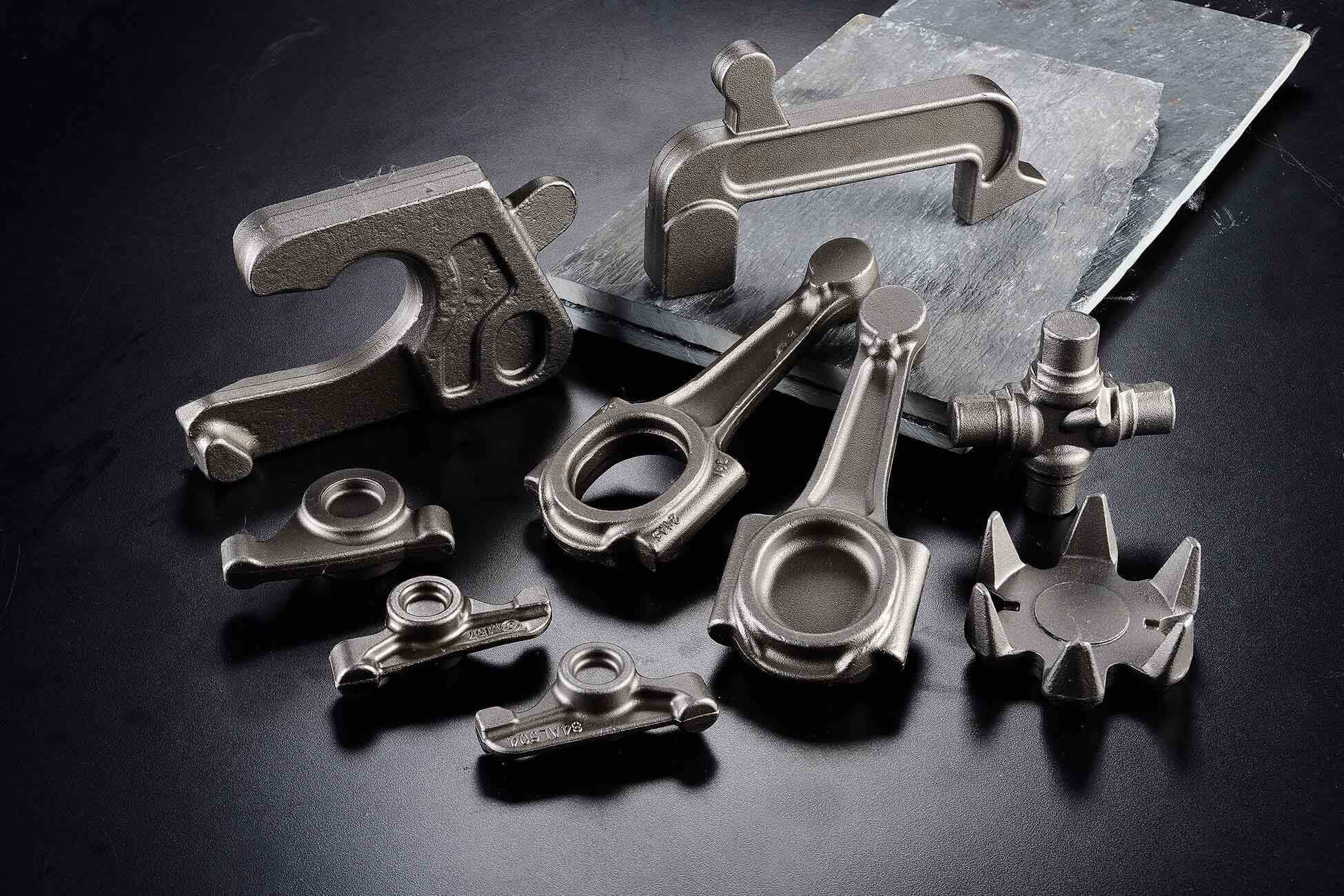
Cold Forging Manufacturer
Cold forging is a high-precision manufacturing process that shapes metals like carbon steel, aluminum, and brass at room temperature. By using extreme compressive forces within specialized die cavities, we execute a variety of specialized techniques – including cold heading, extrusion, rolling, coining, swaging, and cold bending – to achieve exact geometries.
As a premier USA-owned manufacturing partner with over 45 years of manufacturing expertise, The Federal Group USA delivers near-net-shape cold forged components.
Request a QuoteWhy Choose TFG USA for Precision Cold Forging
We pride ourselves to be among the cold forging companies that can empower your high-volume production with front-end engineering expertise and precision quality control. Get piece of mind knowing your project scales smoothly from the very first part.
ISO 9001:2015 Certified
Our quality management system uses cross-functional inspections to verify every component meets strict built-to-print tolerances.
Advanced Machinery
We leverage servo-driven cold forging presses, high-speed mechanical presses, smart tooling systems, and robotic forging cells.
End-To-End Logistics
We seamlessly coordinate everything from air freighting initial samples to local warehousing and delivery for high-volume production runs.
Versatile Material Options
We provide cold forging materials such as carbon steel, stainless steel, brass, aluminum, and more.
Industries We Serve
We provide highly durable cold forging solutions tailored to the strict regulatory and environmental demands of the world’s most critical sectors.

Medical Sector Applications
We transition complex surgical tool prototypes into mass production while maintaining strict ISO quality standards for orthopedic implants, specialized brackets, and precision diagnostic equipment components.

Heavy Construction Components
We supply work-hardened custom construction components built to withstand extreme environmental stress, including structural frame components, high-stress mounting plates, and heavy-duty cold forged fasteners for excavators.

Energy Infrastructure Parts
Energy firms leverage our compressive forces and manufacturing expertise to produce high-volume energy components like high-strength pipe flanges, turbine housing fasteners, and structural brackets that reduce material waste and lower per-unit costs.
Cold Forging Processes We Employ
TFG offers a range of advanced cold forging capabilities to support both simple and complex component production. Our capabilities include:
- Cold Heading
- Upsetting
- Cold Extrusion
- Coining
- Piercing
- Thread Rolling
- Multi-Station Forming
These processes allow us to efficiently manufacture high-strength, precision components such as fasteners, shafts, pins, bushings, studs, and custom specialty parts with excellent material utilization, repeatability, and cost efficiency at volume.
Cold Forging Machinery & Equipment
TFG utilizes advanced manufacturing equipment to support precision cold forging production, including:
- Servo-Driven Cold Forging Presses – Enhanced control over stroke, speed, and forming force for complex geometries and tighter tolerances.
- High-Speed Mechanical Presses – Ideal for efficient, high-volume production of fasteners and repeat components.
- Multi-Station Cold Headers – Capable of producing complex parts through multiple forming stages in a single cycle.
- Cold Extrusion Presses – Used to create near-net-shape solid and hollow components with excellent material efficiency.
- Smart Tooling Systems – Real-time monitoring and optimized die performance to improve consistency and tool life.
- Robotic Forging Cells – Automated part handling and integrated production cells that improve throughput, repeatability, and safety.
- Thread Rolling Machines – Precision forming of external threads, splines, and knurled features.
Cold Forging Materials We Use
In cold forging, we shape metal at room temperature to create stronger, more precise parts. While softer metals are easier to mold, we specialize in high-strength alloys that are built to last. Depending on your project’s needs, we work with the following materials:
- Carbon steel materials: This metal provides exceptional structural strength for custom brackets and fasteners.
- Aluminum alloy options: These alloys feature high ductility to support rapid and continuous production cycles.
- Stainless steel grades: This material requires immense press force but yields highly durable parts.
- Alloy steel blends: This blend offers impact resistance for extremely demanding and high-stress environments.
- Brass material selections: This metal delivers excellent formability and low friction for precision valves.
Secondary Processes and Finishing Capabilities
At times, designing complex cold forging parts can also require secondary operations to meet final built-to-print specifications. We provide a full suite of finishing services to complete your component.
- Precision CNC machining: We machine complex undercuts or cross-holes that can’t be forged.
- Thermal heat treatments: We apply controlled heating to relieve internal stresses built up post-deformation.
- Protective metal platings: We apply zinc plating or anodizing to enhance environmental resistance.
- Final assembly services: We integrate mating parts to deliver a fully completed component.
Greenlight Your Next Cold Forging Project
Moving from a concept to continuous production operations requires a reliable full-service manufacturing partner. The Federal Group USA follows a structured client experience to ensure your project scales successfully.
The process starts when you complete our RFQ questionnaire and submit your specifications. Our engineering team then conducts a comprehensive feasibility review to evaluate the design for manufacturability.
Frequently Asked Questions
What Is Cold Forging?
Cold forging is a high-precision manufacturing process that shapes metal at room temperature using extreme pressure to increase strength through work hardening.
What Are the Disadvantages of Cold Forging?
The process is generally limited to basic and symmetrical shapes. High-carbon steels are difficult to form, and the extreme tooling pressure required can lead to higher tool wear over time.
Cold Forging vs Hot Forging: What's the Difference?
Cold forging is performed at or near room temperature, causing the metal to undergo work hardening as it is shaped and therefore increasing its tensile strength and hardness. Hot forging, on the other hand, heats the metal before shaping it. The higher temperature makes the metal softer and easier to form, but the resulting parts are not as durable as their cold-forged counterparts.
Which Metal Cannot Be Forged?
Extremely brittle metals with low ductility like cast iron typically can’t be successfully cold forged. These materials lack the necessary elasticity and will often shatter under extreme compressive forces.


