
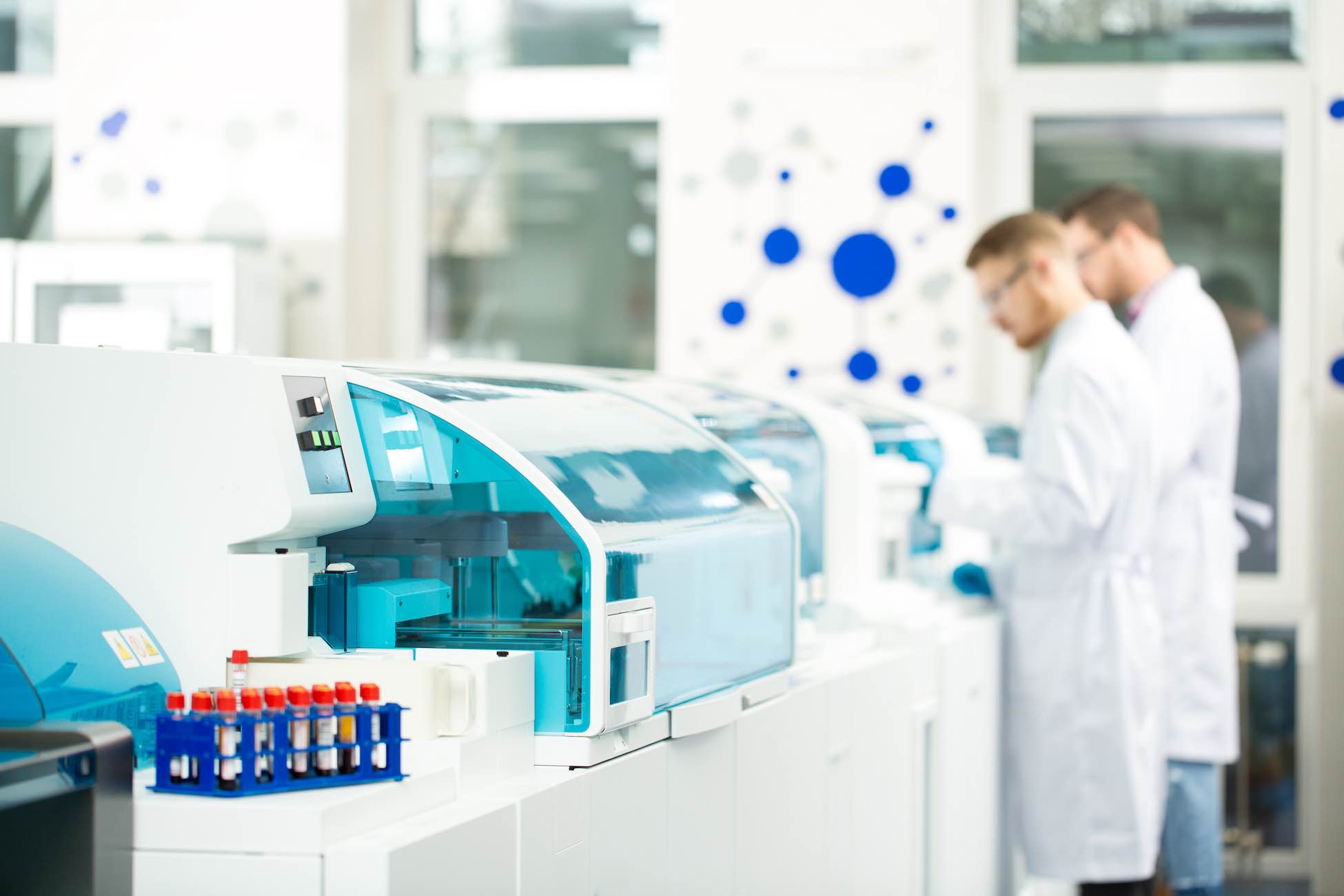
Medical Sheet Metal Fabrication
With over 45 years of experience, The Federal Group USA provides end-to-end medical sheet metal fabrication using precision laser cutting, CNC bending, and advanced welding. We specialize in transforming high-grade alloys into tight-tolerance medical enclosures and diagnostic chassis, ensuring every component meets rigorous healthcare standards.
Our ISO 9001:2015 certified processes guarantee the absolute precision and oversight required for critical medical applications.
Request a QuoteWhy Choose The Federal Group for Medical Sheet Metal Fabrication
TFG USA leverages over four decades of engineering expertise to provide precision sheet metal fabrication for critical diagnostic and surgical equipment. Our end-to-end capabilities streamline the transition from rapid prototyping to high-volume production, eliminating the need to manage multiple vendors. By executing precise tolerances with medical-grade alloys, we effectively mitigate supply chain risks while keeping your project on schedule and within budget.
Rigorous Quality Assurance
We enforce strict ISO 9001:2015 certified protocols designed to maintain dimensional accuracy across every production run.
Supply Chain Continuity
Our in-house logistics team keeps your supply chain running smoothly by seamlessly managing warehousing, shipping, and distribution.
Premium Material Sourcing
We source and process medical-grade materials including corrosion-resistant 304 and 316L stainless steel, titanium, and lightweight aluminum alloys.
Advanced Manufacturing
Our state-of-the-art facility uses advanced CNC laser cutting and precision press brake forming machinery to achieve tight tolerances for complex enclosures.
Specific Machinery and Technology We Employ
Hitting strict engineering tolerances requires highly calibrated equipment and experienced operators. We leverage a robust suite of fabrication technologies to form, cut, and join complex metal assemblies. This advanced equipment allows us to typically maintain general linear tolerances down to +/- 0.005 inches (0.127 mm) across complex enclosures and chassis.

High-Wattage Laser Cutting
Our fiber laser cutting and CNC punching systems efficiently process metal sheet thicknesses ranging from 0.020 inches up to 0.500 inches. This high-speed technology ensures clean edges and intricate detail even when working with demanding medical-grade alloys.

Multi-Axis Press Brakes
We use advanced CNC press brake forming and bending machinery designed to maintain precise bend angle tolerances of +/- 0.5 degrees. These automated systems allow for repeatable accuracy across complex geometries, ensuring every enclosure fits its internal components perfectly.
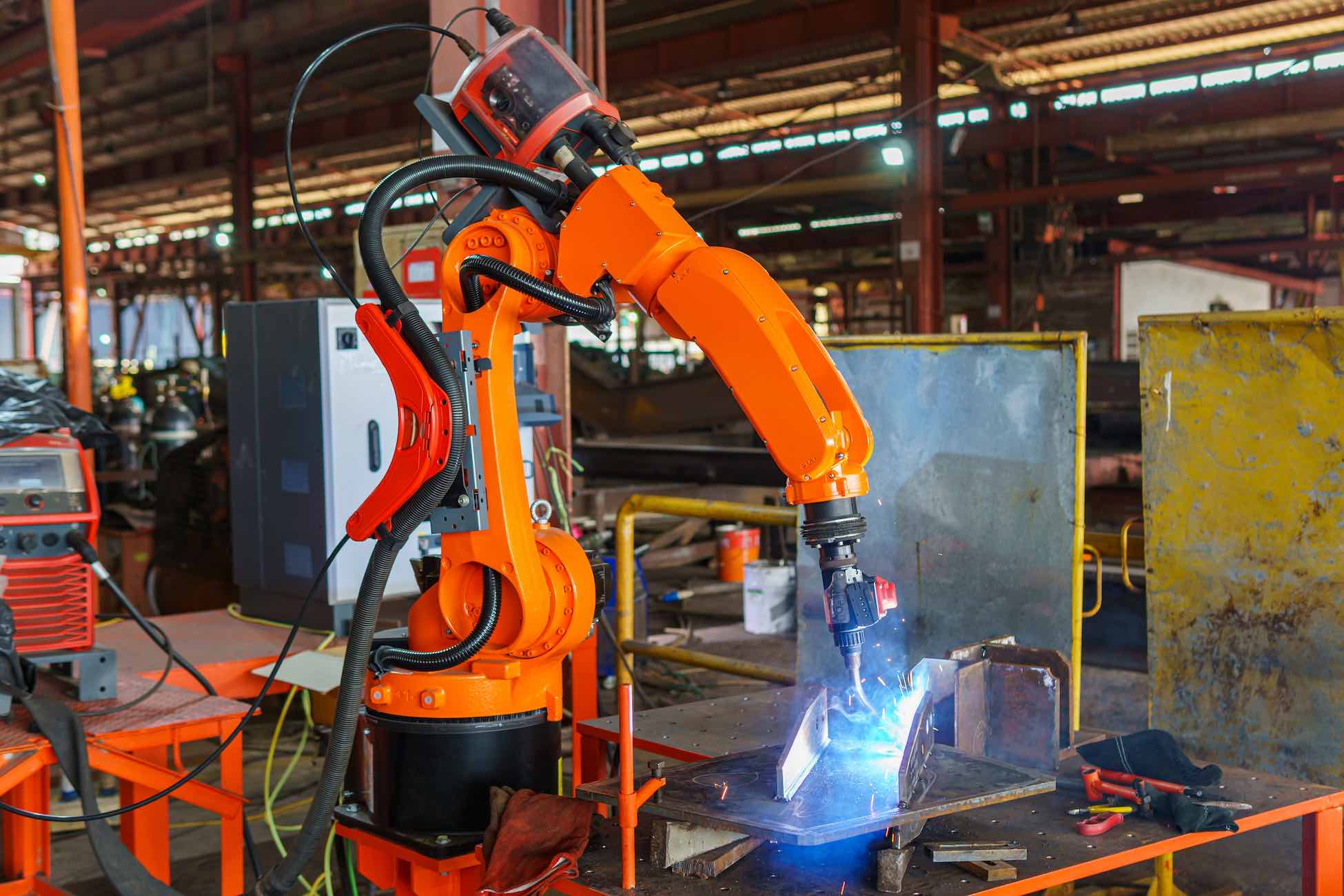
Precision Robotic Welding
Our precision welding services use robotic TIG (Tungsten Inert Gas) and laser technologies to create strong joints while minimizing thermal distortion on delicate components. By automating the welding process, we achieve consistent bead quality and structural integrity that manual methods often struggle to replicate.
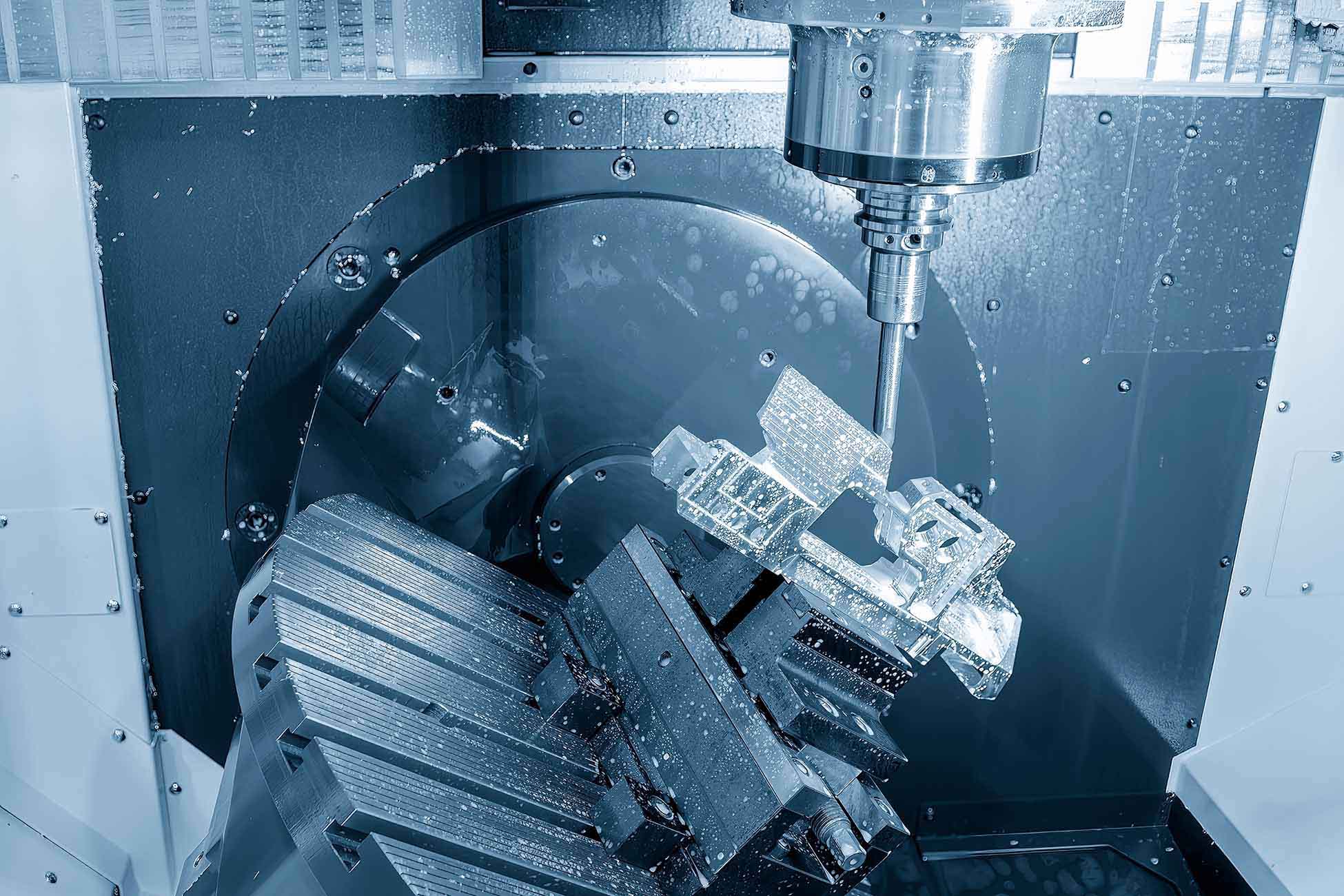
Advanced CNC Machining
We integrate precision CNC machining alongside our fabrication processes to produce highly complex features and mating parts within your medical assemblies. This dual-capability approach allows us to handle tight-tolerance drilling and milling on fabricated frames without requiring a separate vendor.
Specific Medical Sheet Metal Fabrication Materials We Use
Selecting the right alloy dictates the performance and lifespan of your medical devices. We process specific medical-grade alloys designed for high-stress environments, so your components resist harsh chemical cleaners and repeated autoclave cycles.
- 304 and 316L stainless steel: These alloys provide excellent corrosion resistance and easily withstand repeated autoclave sterilization cycles.
- 5052 and 6061 aluminum: These lightweight metals offer high strength-to-weight ratios, making them ideal for large diagnostic equipment chassis.
- Medical-grade titanium: This high-strength metal offers exceptional biocompatibility and corrosion resistance for specialized structural components.
Secondary Processes and Finishing Capabilities
Raw fabricated parts often require specialized surface finishing to achieve the exact sanitary requirements of the medical field. We provide comprehensive in-house finishing and assembly services to accelerate your metal component requirements and improve cleanability for cleanroom applications.
- Electropolishing and passivation: These processes remove free iron from the metal surface to create an ultra-smooth, sanitary finish.
- Medical-grade powder coating: This durable finish protects exterior enclosures from harsh cleaning agents while maintaining a professional appearance.
- Precision hardware insertion: We install required fasteners and mating parts directly into the sheet metal to reduce assembly time.
- Mechanical assembly services: Our team handles complex sub-assemblies and integrates multiple components to deliver ready-to-use medical parts.
Kickstart Your Next Medical Sheet Metal Fabrication Project
Transitioning a complex medical device from a digital model to a physical product requires a manufacturing partner who understands the high stakes involved. The Federal Group USA brings over 45 years of engineering expertise to every medical equipment manufacturing project.
We offer extensive design for manufacturability support to help you identify cost-saving opportunities and reduce lead times before production even begins. Send us your CAD files today for a comprehensive manufacturability review, and our engineering team will provide an accurate quote to keep your custom metal parts moving forward.
Frequently Asked Questions
What are the standard tolerances for sheet metal fabrication in the medical industry?
Hitting tight tolerances is critical when building complex medical enclosures. Standard sheet metal fabrication in the medical industry requires general linear tolerances of +/- 0.005 inches and bend angle tolerances of +/- 0.5 degrees. We verify these measurements through rigorous dimensional inspection to help verify every part mates correctly during final assembly.
Why is 316L stainless steel commonly used for hospital and diagnostic equipment?
This specific alloy contains molybdenum, which drastically improves its resistance to pitting and corrosion from harsh chemicals. That means it’s the preferred material for hospital equipment and MRI machine components that undergo frequent cleaning. Proper sheet metal fabrication for the medical industry relies on 316L to maintain a strict sterilization and sanitary design over the lifespan of the device.
How do you ensure traceability and quality control for custom medical parts?
Upon request, we can maintain full material traceability from the moment raw stock enters our facility to the final shipment. Our entire quality management system operates under strict ISO 9001 certification guidelines, maintaining consistent oversight across all production phases. We also use advanced non-destructive testing and multi-point inspections to verify that your custom metal parts meet strict regulatory standards for dimensional accuracy.




