

Metal Extrusion Services for the Medical Industry
We provide custom metal extrusion services for medical industry applications requiring tight tolerances, material traceability, and consistent dimensional control. Our capabilities support components used in medical equipment, device housings, structural frames, and specialty assemblies. We work with custom profiles in aluminum, copper, brass, steel and other medical-grade alloys.
Request a QuoteWhy Choose The Federal Group for Medical Extrusions
We build every metal extrusion project around these core capabilities:
QMS 9001:2015 Certified
Our QMS 9001:2015 Certified facilities maintain strict dimensional stability across all custom metal medical components.
Material Certifications
Every project includes comprehensive material certifications verifying precise alloy composition and mechanical properties for strict medical applications.
Extrusion Technology
Our capabilities include precision hot and cold extrusion processes, advanced press technology, and secondary machining operations.
Size Capabilities
We produce custom metal extrusions in lengths up to 24 feet with wall thicknesses ranging from approximately 0.020” to 0.500”.
Processes and Technologies We Support
We specialize entirely in custom metal extrusion profiles to deliver the mechanical reliability that complex medical assemblies demand.

Custom Die Engineering
We develop custom extrusion dies designed around each profile’s geometry, dimensional tolerances, material requirements, and end-use application. Our engineering process supports solid, hollow, and multi-void profiles across a wide range of custom configurations.
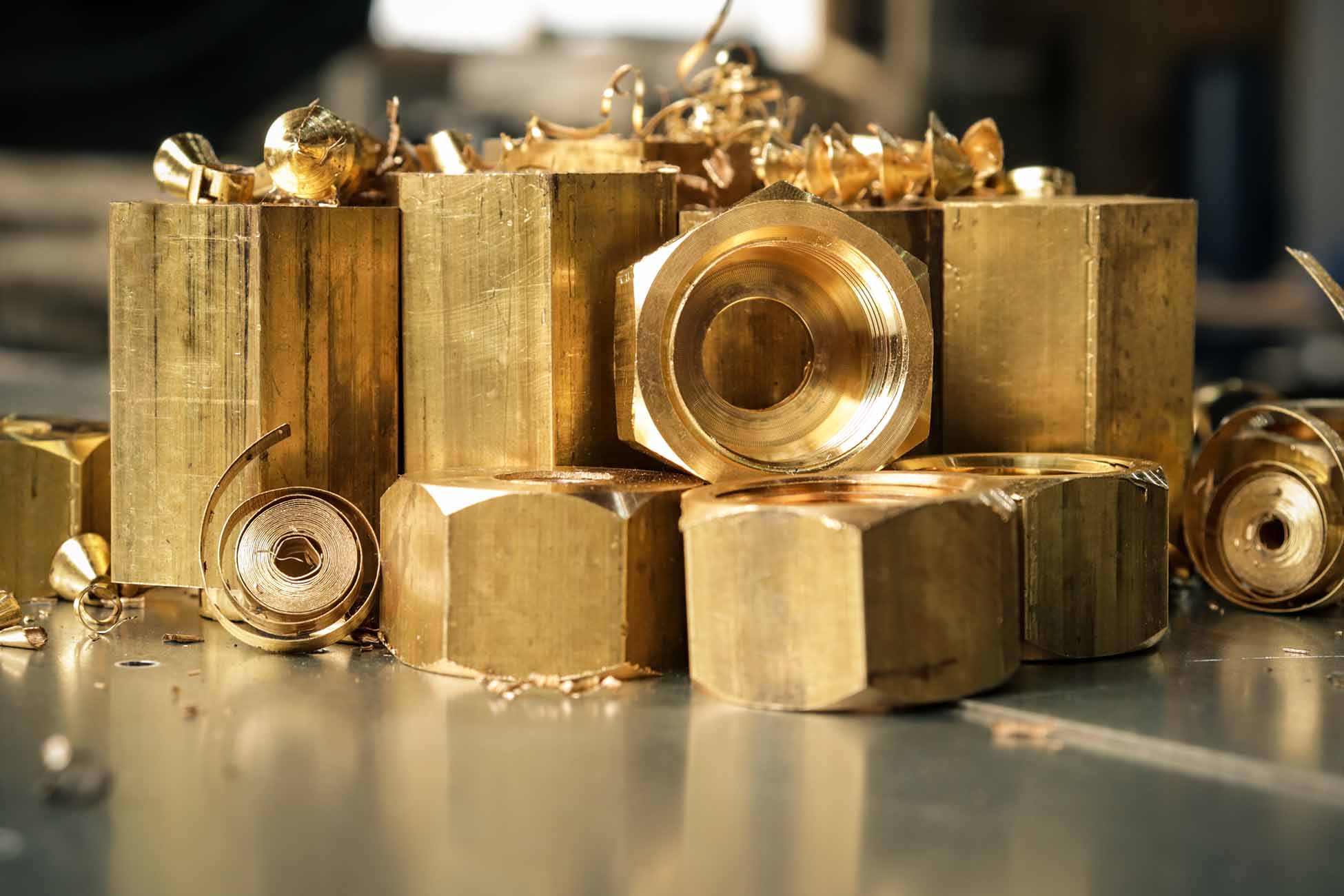
Precision Extrusion Equipment
Our manufacturing partners utilize advanced hot and cold extrusion presses capable of producing consistent profiles with tight dimensional control. Capabilities include high-tonnage hydraulic presses, automated material handling, and inline process monitoring for repeatable production quality.
Specific Medical Extrusion Manufacturing Materials We Use
Precision medical hardware relies on exact alloy composition to support biocompatibility and structural integrity. We process high-strength components from premium metals to meet these strict clinical requirements. The table below outlines the mechanical properties of the specific metals we use to manufacture custom medical parts.
Material Category | Key Mechanical Properties | Common Medical Applications |
Stainless Steel | Superior corrosion resistance, excellent tensile strength, and high sanitization compliance. | Surgical tools, orthopedic implants, and critical load-bearing hardware. |
Aluminum Alloys | High strength-to-weight ratio, excellent machinability, and strong pressure tightness. | Medical device housings, diagnostic equipment frames, and lightweight brackets. |
Carbon Steel | Exceptional hardness, high wear resistance, and strong dimensional stability under load. | Specialized surgical cutting instruments and high-stress internal mechanisms. |
Copper | Natural antimicrobial properties, high thermal conductivity, and excellent electrical conductivity. | Electronic contacts within diagnostic machines and specialized thermal components. |
Brass | High machinability, low friction, and strong resistance to corrosion and biofouling. | Fluid handling valves, non-sparking surgical environment tools, and complex fittings. |
Secondary Processes and Finishing Capabilities
Once the primary cold extrusion process establishes the foundational cross-sectional profile, we apply value-added finishing to meet your final engineering drawings. We group these post-forming requirements under our secondary operations umbrella, and this maintains a single chain of custody for your parts.
Our secondary operations and custom finishing capabilities include:
- CNC Machining: Refines extruded profiles to achieve micron-level tolerances for mating medical parts.
- Tapping and Drilling: Creates precise internal threads and through-holes for complex medical assemblies.
- Deburring: Removes sharp edges and burrs to promote safe handling in surgical environments.
- Assembly: Combines multiple custom metal components into a single ready-to-use medical sub-assembly.
- Anodizing: Provides a durable and corrosion-resistant finish ideal for lightweight aluminum device housings.
- Plating and Powder Coating: Enhances surface hardness and improves sanitization compliance for repeated clinical use.
Request a Quote
Have a medical extrusion project that requires tight tolerances, certified materials, or complex profiles? Our team can review your drawings, material requirements, and production volumes to provide a fast, accurate quote for your custom metal extrusion project.
Submit your RFQ today to start your project review with our engineering team.
FAQs
What Are the Examples of Extrusion Manufacturing in the Medical Sector?
While many buyers associate this process with standard hollow tubing, metal extrusion manufacturing plays a critical role in producing high-strength medical hardware. Common examples include load-bearing orthopedic plates, specialized surgical instruments, and complex brackets used in heavy medical diagnostic equipment. These components require the precise dimensional stability and exact mechanical properties that only metal cold extrusion can provide.
What Are the 4 Types of Extrusion?
The four standard types of extrusion are direct, indirect, hydrostatic, and impact or cold extrusion. Direct and indirect methods push or pull heated material through a die, while hydrostatic uses pressurized fluid to force the material into shape. Cold extrusion is the optimal choice for yielding high-strength metal components with minimal material waste. This specific method maintains the structural integrity of the alloy, so it is heavily favored for precise medical applications.
How Do Cross-Functional Quality Inspections Support Medical Extrusions?
Cross-functional quality inspections provide multiple checkpoints throughout the production lifecycle to identify technical design flaws before they reach the factory floor. Our QMS 9001:2015 Certified process requires engineering and quality teams to review parts at every critical manufacturing stage. This collaborative approach supports defect prevention at scale, helping every extruded metal component match the strict tolerances required for clinical use.




