
May 26, 2026
What Is Green Sand Casting?
Green sand casting is one of the most widely used metal casting processes because it combines low tooling costs, material...
Read More


Transitioning a complex orthopedic implant from prototype to mass production requires high repeatability. Procurement managers and engineers rely on precise manufacturing processes to support supply chain reliability.
Medical screw machining demands micron-level tolerances and specific material properties to meet built-to-print specifications consistently. This guide details the machining techniques, metal alloys, and operational frameworks necessary for creating medical screws efficiently and at scale.
Table of Contents
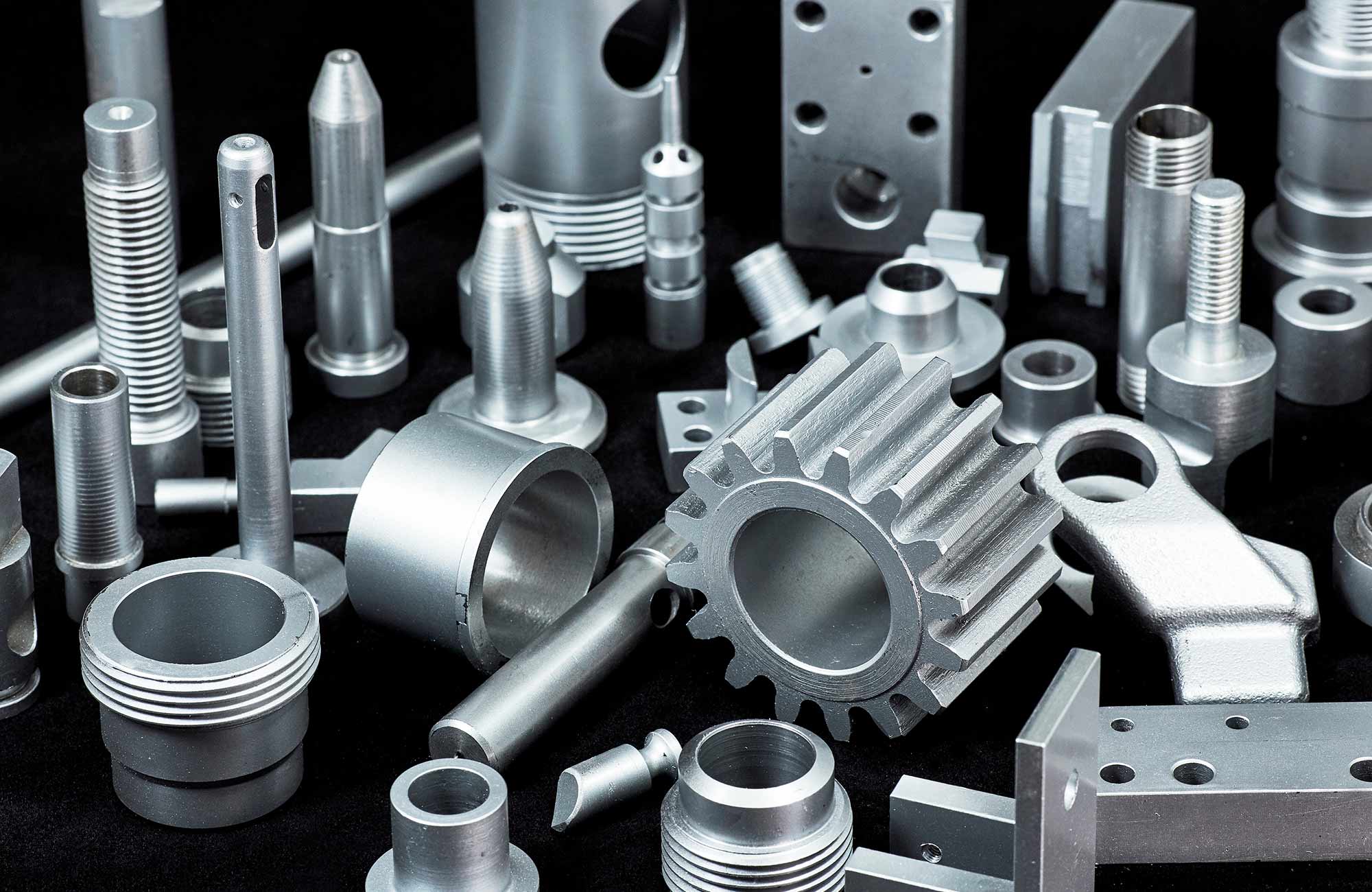
Medical CNC screw-machining is a highly specialized subtractive manufacturing process designed to produce precise and long-shafted parts. This method relies on multi-axis turning centers to shape raw metal bar stock into high-strength components. Engineers use this process because it supports the tight tolerances required for complex medical applications.
Material selection dictates the performance and manufacturability of any medical component. Engineers evaluate metals based on their strength, weight, and biocompatibility.
Biocompatible materials integrate safely with the human body, so they are the standard for implantable devices. Proper selection also influences material waste reduction during the machining process, which helps control costs across large production runs.
Material Type | Strength and Weight | Machinability Profile | Typical Applications |
Titanium alloys | Offers a very high strength-to-weight ratio. | Requires specialized tooling due to high cutting resistance. | Ideal for permanent orthopedic implants and bone screws. |
Stainless steel | Provides excellent durability and corrosion resistance. | Machines relatively well but requires optimized tool paths. | Used for surgical tool prototypes and temporary fixation devices. |
Cobalt-chrome | Delivers extreme wear resistance and high density. | Highly abrasive and causes rapid tool wear during production. | Suited for joint replacements and high-wear implant applications. |
Choosing the right machining setup determines the accuracy and scalability of a production run. Standard CNC medical machining works well for shorter and rigid components.
Swiss medical machining offers a distinct approach for parts that require extreme precision over a longer profile. Swiss screw machining feeds the bar stock through a guide bushing, which supports the material right at the cutting tool. This mitigates deflection and allows engineers to achieve micron-level tolerances consistently.
Machining Setup | Material Support | Precision Capability | Best Suited For |
Standard CNC Turning | Secures material at the spindle only. | Achieves high precision but risks deflection on long parts. | Shorter components, standard medical device housings, and diagnostic equipment components. |
Swiss Screw Machining | Supports material with a guide bushing near the tool. | Maintains micron-level tolerances across the entire length. | Long-shafted parts, complex geometries, and miniature bone screws. |
Creating the deep threads required for bone screws is a highly technical challenge. Thread whirling solves this by passing a high-speed cutter ring over the slowly rotating material. This method removes material efficiently while managing cutting forces.
Engineers use cemented carbide-coated inserts to maintain sharp cutting edges during this continuous engagement. Proper tool path optimization in thread whirling directly improves the final surface finish, and this is critical for the performance of the implant.
Modern medical components often require features beyond simple cylindrical shapes. Multi-axis turning combines traditional turning with advanced Computer Numerical Control milling capabilities in a single machine setup. This allows the cutting tools to approach the workpiece from multiple angles simultaneously.
Managing cutting resistance is crucial during these complex operations, especially when working with tough titanium alloys. Consolidating these steps into one continuous cycle reduces handling errors and improves overall batch consistency.

Medical device high precision machining requires high-end multi-axis turning centers and rigorous quality control. Engineers must adhere strictly to built-to-print specifications, which demands tight process control during the manufacturing process.
A common consideration during the planning phase involves selecting a highly abrasive material and adjusting the cutting parameters accordingly. Proper planning prevents rapid wear on cutting inserts, which helps facilities maintain target scrap rates and avoid costly downtime.
Optimizing these production variables helps control the final cost per unit. Machining titanium and cobalt-chrome demands advanced coolant systems and continuous tool replacements to maintain the required surface finishes. The expense reflects the complex engineering required to safely produce components that perform reliably in demanding environments.
Achieving mass production scalability requires a robust operational framework to support continuous supply chain flow. Procurement managers need a reliable manufacturing partner to maintain micron-level precision across high-volume runs. The Federal Group USA brings over 45 years of engineering expertise to this process and uses a proven eight-step client lifecycle to manage every phase of production.
This structured approach resolves technical challenges early in the lifecycle. Optimizing a tool path during the engineering feasibility review can reduce cycle times by up to 20 percent while maintaining strict tolerances across large batches.
Scaling the production of complex components requires a highly controlled environment. End-to-end manufacturing relies on predictable processes and stringent oversight to deliver consistent results.
Working closely with a dedicated sales engineer helps your project transition smoothly from initial estimating to final delivery. By partnering with a facility that maintains strict ISO 9001:2015 quality control, procurement teams can confidently scale their operations and secure reliable components for their most critical applications.
A Computer Numerical Control machine uses programmed instructions to automate the movement of cutting tools. Facilities use this technology for medical screw machining and shaping raw metal into precision metal parts. This equipment provides the high repeatability necessary for producing complex orthopedic components at scale.
Yes, Swiss-style lathes can operate continuously without manual intervention. Engineers must carefully monitor tool wear during high-volume lights-out operations because maintaining sharp cutting edges preserves the required surface finish of the components. Proper planning and automated tool management systems help maintain quality during these unattended shifts.
Macro programming allows engineers to use variables and parametric logic within the machine’s code. This technique simplifies the production of implantable devices by allowing quick adjustments to part dimensions without rewriting the entire program. It improves efficiency and reduces setup times across different sizes of similar medical components.

