


November 19, 2026
Sand Casting Surface Finish: Roughness, Factors & Finishing Options
The surface finish of a sand cast part is a direct reflection of the physical mold used to create it....
Read More

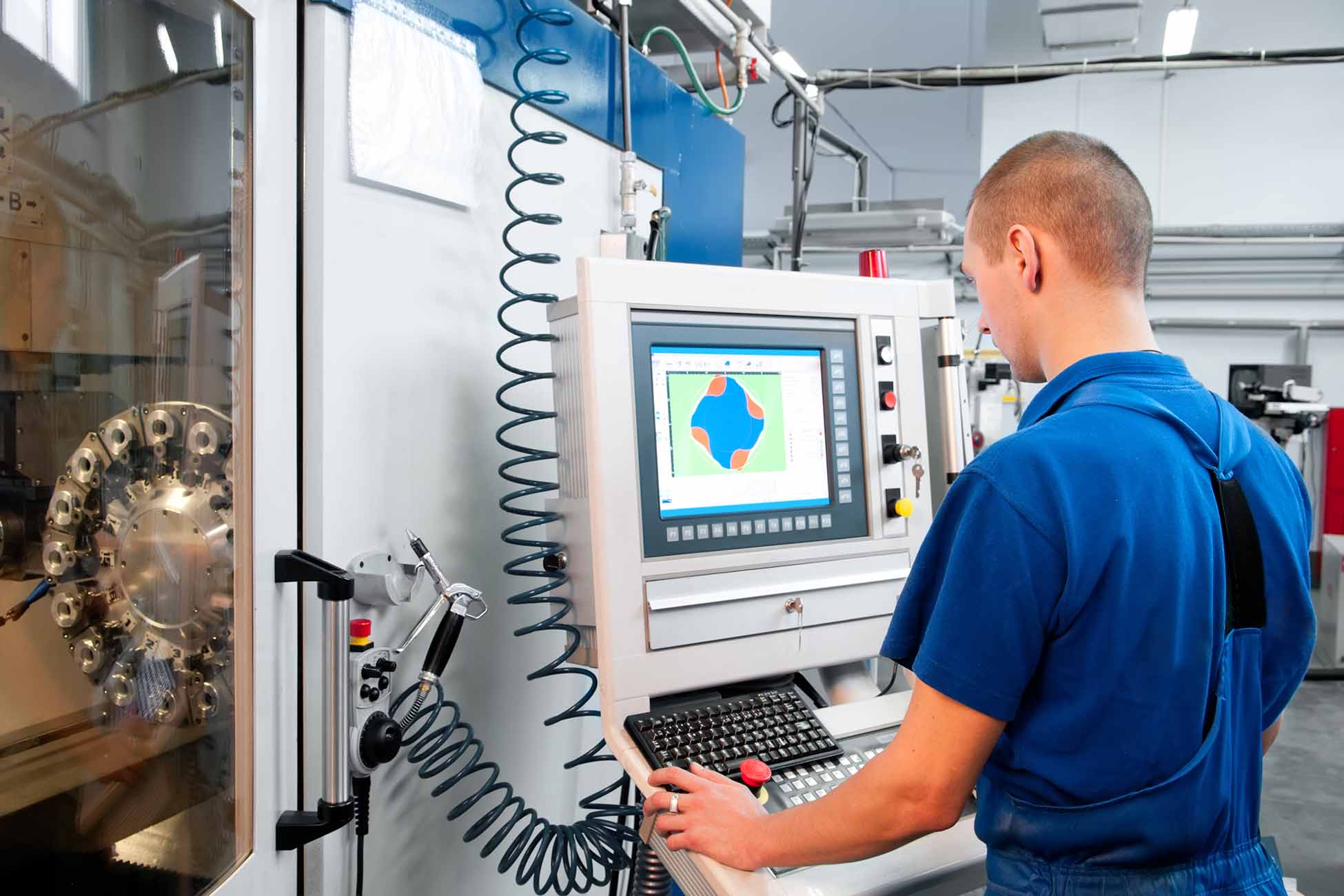
Machining duplex stainless steel requires tighter control than standard stainless machining because the material combines high strength, rapid work hardening, and heat retention at the cutting edge. This guide explains the core machining challenges, the parameters that matter most, and how duplex, super duplex, and enhanced-machinability grades affect production planning.
Table of Contents
Machining duplex stainless steel is difficult because its austenitic-ferritic microstructure, meaning a mixed structure of two stainless phases, gives the material both strength and corrosion resistance. That same structure also makes the alloy less forgiving during cutting, especially when compared with standard 304 or 316 stainless grades.
The main machining difficulties are:
These factors all work together – tool pressure hardens the surface, trapped heat accelerates wear, and high cutting forces punish any lack of rigidity in the setup.
To machine duplex stainless steel successfully, the process has to keep the tool cutting beneath the hardened surface while controlling heat at the interface between the tool and workpiece. That requires the right tooling, cutting speeds, feed rates, depth of cut, coolant strategy, and machine stability.
Treating duplex the same way as 304 or 316 stainless can produce unstable cutting conditions. The practical rule is simple: keep the setup rigid, keep the tool engaged, and keep heat moving out of the cut.
Duplex stainless steel machining works best with carbide tooling selected for the operation instead of general-purpose stainless tooling. For finishing, PVD-coated micro-grain carbide inserts provide a sharp edge with a thin coating that supports clean cutting and controlled surface finish.
For roughing, CVD coatings can handle heavier cutting loads and higher interface temperatures. The coating choice matters because roughing and finishing expose the insert to different combinations of pressure, heat, and surface-finish demands.
Tool geometry differences also come into play here. A sharp positive rake angle reduces cutting forces because the insert shears the metal more cleanly instead of pushing heavily into the surface. That lower pressure helps limit work hardening and can reduce the conditions that create built-up edge (BUE), which is material welded onto the cutting edge during machining.
Cutting speeds for duplex stainless are usually moderate compared with easier stainless grades. A practical reference range is approximately 250-350 SFM, but the correct setting depends on grade, operation, insert grade, machine rigidity, and coolant delivery.
Ideally, feed rates should stay constant and assertive enough for the tool to cut below the work-hardened layer. Light feeding can create rubbing, and rubbing is one of the fastest ways to harden the surface in front of the tool.
The shop-floor rule is to avoid dwell. If the tool pauses against the workpiece without cutting, the surface can harden, heat concentrates at the edge, and the next pass becomes more difficult. In production, that can turn into accelerated tool wear, inconsistent finishes, and scrapped parts.
For milling operations, climb milling can help reduce rubbing when the setup is rigid enough to control tool engagement.
The depth of cut needs to be sufficient for the tool to get under the hardened skin left by the previous pass. Deep, stable cuts are often preferable to light skimming passes because skimming may leave the tool working in the hardest surface layer.
The coolant has to do more than wet the part. High-pressure, continuous fluid flow helps flush chips away from the cut, control interface temperatures, and reduce the chance of BUE forming on the cutting edge.
Chip breaking also matters because duplex stainless steel can produce tough chips that carry heat and interfere with the cut if they are not cleared. When coolant flow, chip control, and tool geometry work together, the process has a better chance of maintaining tool life and consistent tolerances.
Duplex stainless steel machining varies by grade because strength, corrosion resistance, and chemistry affect how the metal responds to cutting pressure and heat. We therefore recommend comparing grades by the practical factors that affect production: machinability, tool wear, heat control, and the level of parameter discipline required.
| Grade | Key Characteristic | Machinability Rating | Typical Application |
| 2205, S32205 | 2205 is the common standard duplex grade, with a balance of strength and corrosion resistance. | This grade is difficult to machine compared with 304 or 316, but it’s generally more manageable than super duplex grades when tooling and coolant are controlled. | Used for pumps, manifolds, fittings, and valve bodies where strength and corrosion resistance both matter. |
| 2507 Super Duplex, SAF2507 | 2507 is a super duplex grade with higher strength and higher corrosion resistance than 2205. | Higher strength and higher PREN increase cutting forces, heat concentration, and tool wear, so parameter control must be tighter. | Used for high-demand pump, fitting, manifold, and valve-body applications exposed to more aggressive service conditions. |
| Enhanced-Machinability Duplex Grades | Enhanced-machinability grades, including Sanmac-style duplex materials, may use controlled non-metallic inclusions to improve chip formation. | These grades can support more predictable machining than standard duplex grades, but they still require rigid setups, correct carbide tooling, and continuous coolant flow. | Used when the part still needs duplex performance, but drilling, turning, milling, or tapping efficiency is a major planning factor. |
| S32760 Super Duplex | S32760 is a super duplex grade selected where high strength and strong pitting resistance are needed. | Its strength and alloy content increase tool pressure, heat generation, and insert wear compared with standard duplex grades. | Used for shafts, impellers, fittings, and other metal components that need both strength and corrosion resistance. |
| 255-Type Super Duplex | 255-type super duplex grades, including Ferralium-style materials, are selected for high strength and strong pitting resistance. | The higher strength level can increase tool pressure and crater wear, especially during heavy turning or milling operations. | Used for shafts, impellers, fittings, and other metal components that need both strength and corrosion resistance. |
Tip: Higher Pitting Resistance Equivalent Number (PREN) values usually point to stronger corrosion resistance, but they also tend to correlate with tougher machining behavior in duplex and super duplex stainless steels. As strength and alloy content rise, the process needs more attention to rigidity, coolant delivery, insert selection, and cutting parameters.
The machining of duplex and super duplex stainless steels becomes more demanding as production moves from a careful prototype run into medium- to high-volume production. A prototype can often absorb slower cycle times, extra inspection, and conservative tool changes, but repeat production needs a stable process that controls heat, cutting pressure, chip evacuation, and tool wear from part to part.
Reliable production depends on a capable machining environment:
The business issue isn’t only whether a manufacturer can machine duplex stainless once, but also if the process remains stable across repeated turning, milling, drilling, or tapping operations without drifting into tool failure, inconsistent tolerances, or avoidable scrap.
Super duplex grades make this even more important. A grade such as 2507 brings higher strength and higher corrosion resistance, but it also increases cutting forces and heat-control demands. That makes machine stability and process control as important as the cutting tool itself.
Machining duplex stainless steel requires firm control of the parameters that shape the cut: carbide tooling, positive rake geometry, moderate cutting speeds, aggressive feed rates, sufficient depth of cut, and continuous coolant delivery. These details shouldn’t be overlooked because the alloy work hardens quickly, holds heat at the cutting edge, and demands a rigid setup under high cutting forces.
Before committing duplex or super duplex components to production, confirm that your manufacturing partner has the machine rigidity, tooling knowledge, coolant capability, and quality control systems needed for repeatable work. The right fit is a production environment that treats duplex stainless as its own machining category rather than simply a ougher version of standard 304 or 316 stainless.
TFG USA supports businesses that need machining duplex stainless steel services for complex metal components.
From a manufacturing perspective, the main disadvantage of duplex stainless steel is poor machinability compared with standard austenitic stainless grades. It hardens quickly under tool pressure, so light cuts, rubbing, or dwell can make the next pass harder to control. Duplex stainless also has low thermal conductivity, which keeps heat concentrated near the cutting edge and increases tool wear.
Duplex stainless steel is generally harder to machine than 316 because it has higher yield strength and a mixed austenitic-ferritic structure. That structure gives duplex stainless its combination of strength and corrosion resistance, but it also increases cutting forces and work hardening during machining.
Standard 316 stainless can still be demanding, yet it usually doesn’t require the same level of rigidity, feed control, and thermal management as duplex.

