
May 18, 2026
An Overview of Die Cast Aluminum
Transitioning a prototype into a reliable mass-produced component requires a manufacturing process capable of repeating complex geometries without dimensional drift....
Read More

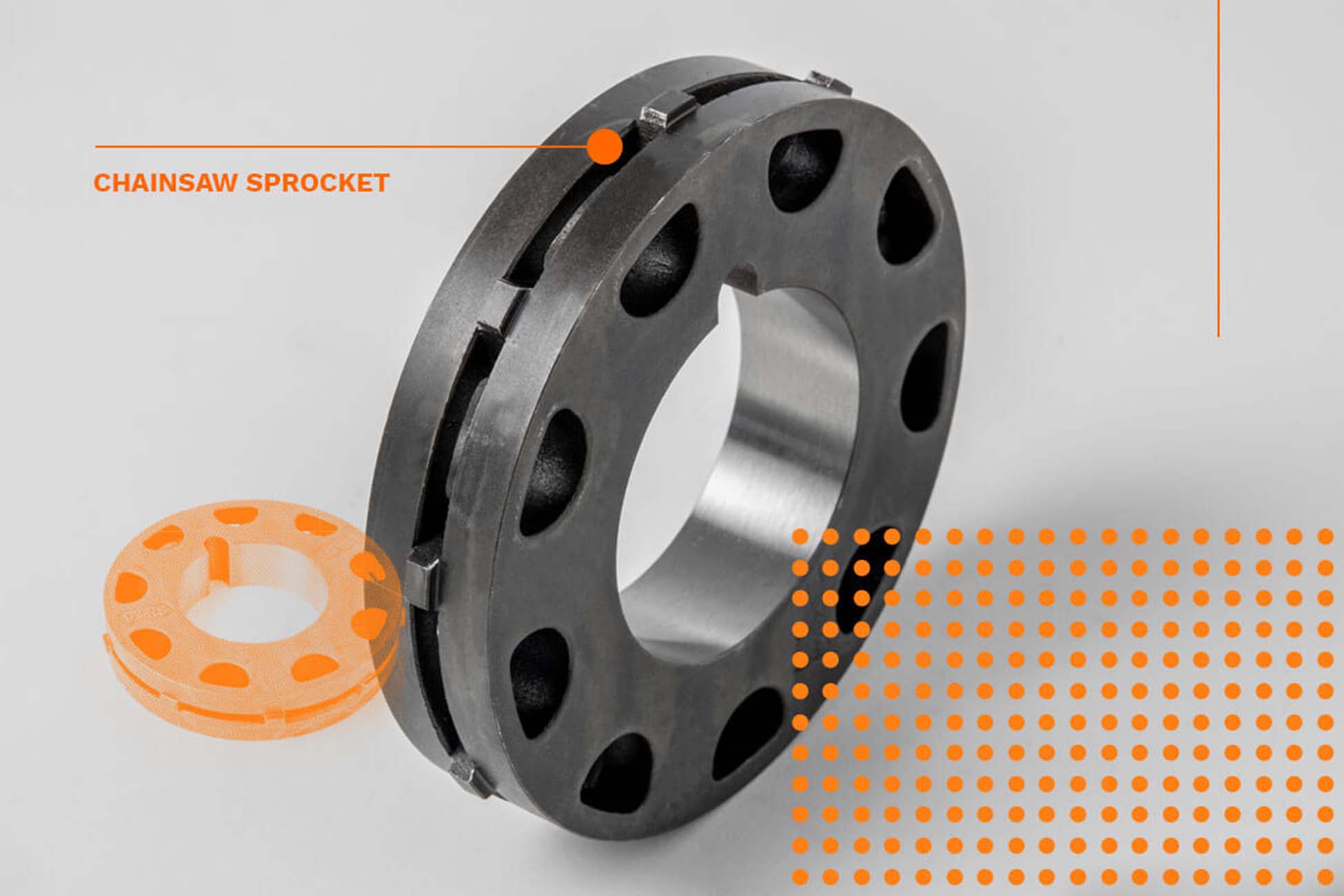
Transitioning a complex metal part from a CAD file to mass production requires balancing precision with per-unit cost. When evaluating investment casting services (also known as lost-wax casting), advantages and disadvantages must be weighed against your specific technical requirements and production timelines. Understanding these operational realities allows procurement leads to justify their manufacturing decisions to internal stakeholders and avoid unexpected scalability issues down the line.
Table of Contents

The primary advantages of investment casting revolve around producing highly detailed metal parts with minimal material waste. This method excels when projects demand strict dimensional accuracy and a superior surface finish straight from the mold.
Engineers suggest this process when standard casting methods fall short of strict built-to-print specifications. The lost-wax method consistently achieves tight tolerances of +/- 0.005 inches per inch. This level of high-tolerance manufacturing helps mating parts fit together properly without requiring extensive rework. The process also delivers a remarkably smooth exterior, typically achieving a 125 microinches RMS finish. That means the parts look professional and function smoothly right out of the ceramic shell.
Every additional pass on a CNC machine increases your total production costs. Investment casting produces parts at near-net shape, so it drastically cuts down on the need for post-casting adjustments. This secondary machining reduction plays a major role in a favorable per-unit cost analysis for high-volume runs. You invest more in the initial tooling, but you save capital on labor and machine time during the actual production cycle. The final net shape requires very little refinement to meet final specifications.
Other casting methods, such as sand casting, die casting, or mold casting often struggle with undercuts or highly detailed internal structures. Investment casting removes traditional design barriers like undercuts, allowing engineers to consolidate multiple components into single custom metal parts. The ceramic shell supports complex geometries that would be impossible to machine from a solid billet. This capability is especially useful for creating internal passageways and thin walls without sacrificing the structural integrity of the final metal component.
What is investment casting good for? This casting method fits well into industries that require high reliability and strict material controls.
Understanding the disadvantages of investment casting is just as important as knowing its strengths. The main challenges involve high upfront tooling costs and extended lead times compared to other manufacturing methods.
Creating the master die for the wax patterns requires heavy capital investment and engineering time. This high initial tooling investment makes the process cost-prohibitive for low-volume production runs or rapid prototyping.
The complex tooling setup also means any design changes after the die is cut will incur heavy financial penalties. Buyers must lock in their designs completely before moving into the manufacturing phase to avoid wasting their budget on mold revisions.
The lost-wax method is not a fast solution for urgent part shortages. It’s a highly controlled, multi-stage manufacturing process that requires careful timing and temperature management to hit strict production milestones.
Creating the ceramic shell involves repeatedly dipping the wax pattern in slurry until it reaches a minimum shell depth of 1.6mm, which provides the necessary heat resistance to withstand molten metal. Waiting for these layers to dry over three to seven days naturally extends the overall production cycles. Procurement teams must plan their inventory needs well in advance to accommodate these longer lead times.
The physical nature of the wax and ceramic materials introduces specific manufacturing limits. The process carries strict size and weight constraints, with most facilities capping maximum weight limits at around 75 lbs per part. Larger parts increase the risk of the ceramic mold cracking under the pressure of the molten metal. The process is also susceptible to common casting defects like porosity or shrinkage if the cooling rates are not managed perfectly by the manufacturing partner.

Drawing from our 45 years of investment casting experience, evaluating the financial viability of this process comes down to production volume and machining time. A thorough per-unit cost analysis reveals exactly when the initial investment pays off.
Engineers must weigh the advantages & disadvantages of investment casting against other proven methods like sand casting and die casting to optimize their supply chain.
Manufacturing Metric | Investment Casting Capabilities | Sand Casting Capabilities |
Tooling Costs | The process requires a high initial tooling investment to create the precision master wax die. | Tooling costs are significantly lower because the patterns are made from wood or basic metals. |
Surface Finish | Parts achieve a superior 125 microinches RMS surface finish right out of the ceramic mold. | Parts have a rough textured finish that almost always requires heavy CNC machining. |
Structural Integrity | The controlled cooling of the ceramic mold promotes excellent structural integrity and uniform density. | Slower cooling in sand molds can occasionally lead to inconsistencies in internal material density. |
Manufacturing Metric | Investment Casting Capabilities | Die Casting Capabilities |
Initial Investment | The upfront costs are high but generally lower than the heavy steel molds required for die casting. | The initial investment for hardened steel tooling is exceptionally high and reserved for massive volumes. |
Material Compatibility | The process easily accommodates high-melting-point metals like stainless steel and titanium. | This method is typically restricted to lower-melting-point non-ferrous alloys like aluminum and zinc. |
Mold Lifespan and Durability | The ceramic mold is destroyed after a single use but the master wax die lasts for thousands of cycles. | The steel molds boast extreme mold lifespan and durability to produce hundreds of thousands of parts. |
Understanding the pros and cons of investment casting gives you a clear framework for evaluating your next production run. You can now confidently assess whether your custom metal parts require the tight tolerances of the lost-wax method or if a simpler casting process fits your budget. Bring your built-to-print specifications to a qualified manufacturing partner like TFG USA early in the design phase, and use these technical heuristics to lock in a cost-effective production strategy.
The process works exceptionally well with both ferrous and non-ferrous alloys. Engineers frequently utilize aluminum, stainless steel, and titanium to produce high-strength components. Based on guidelines from the Investment Casting Institute, the method easily handles alloys with high melting temperatures that would otherwise destroy standard die casting molds.
The primary drawbacks involve the potential for internal defects like porosity and shrinkage if cooling rates are mismanaged. The near-net shape reduces the need for heavy milling, but some secondary operations are still required to remove the gating system and achieve final dimensions.
Design engineers can reclaim and filter the melted wax to be reused for another pattern, effectively reducing material waste. They can also reuse the mold in future production cycles thanks to its durability and strength.

