July 24, 2026
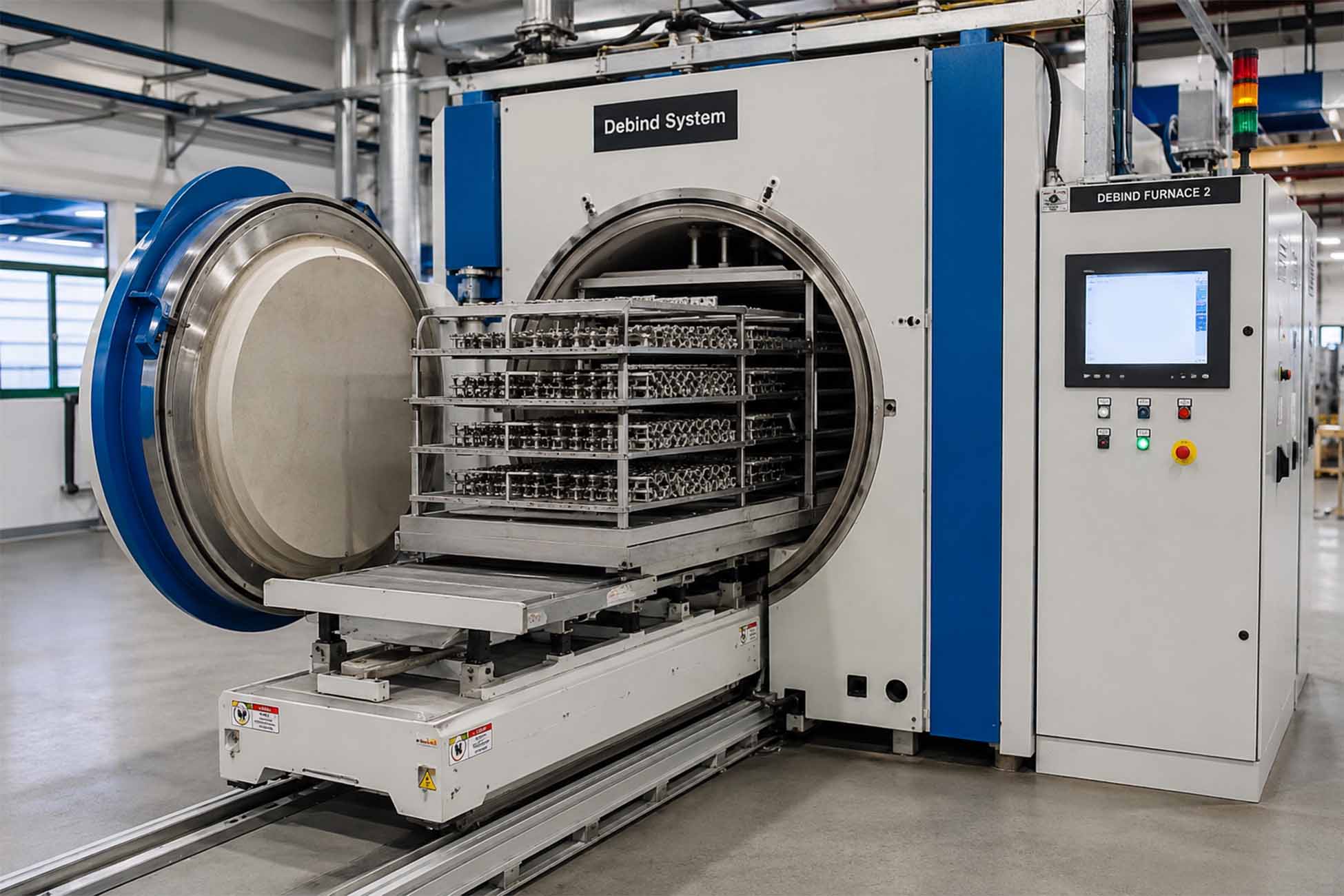
Metal Injection Molding vs Die Casting
Understanding the difference between metal injection molding vs die casting requires looking at the physical state of the raw material...
Read More

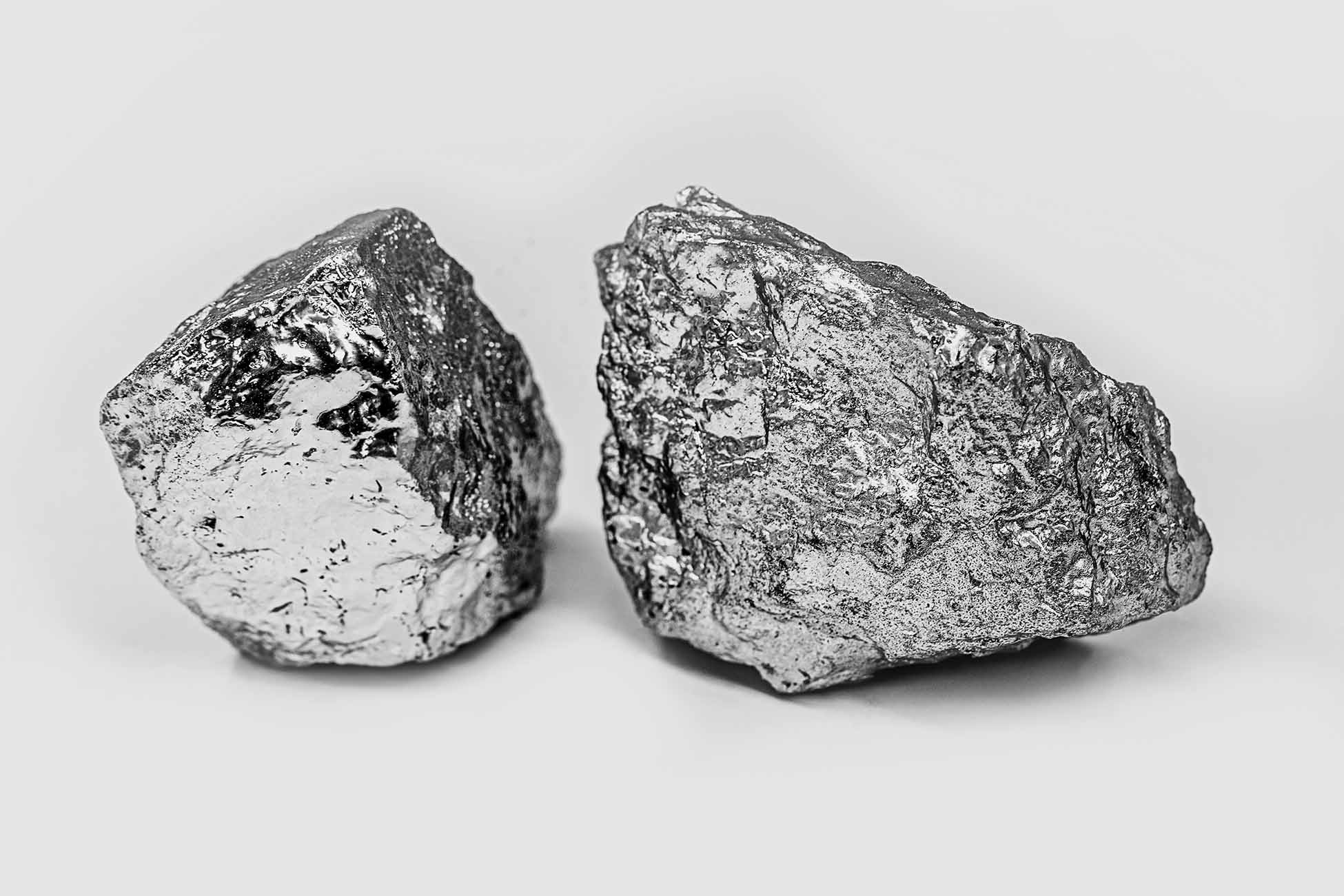
Choosing the right aluminum alloy is critical to the success of any die casting project. The material you select affects manufacturability, strength, corrosion resistance, and overall part performance. This guide compares the most common aluminum die casting alloys to help you determine the best choice for your application.

Aluminum die casting is a manufacturing process that injects molten aluminum into a steel mold under high pressure to produce precise, repeatable metal components. The alloy you choose plays a key role in the casting process, affecting manufacturability, strength, corrosion resistance, and overall part performance.
Most aluminum die castings are produced using alloys from the 3xx.x series, including A380, A360, and A383/ADC12. These alloys are specifically formulated for the die casting process, offering an ideal balance of castability, strength, corrosion resistance, and durability.
Rather than using pure aluminum, manufacturers combine aluminum with elements such as silicon, copper, magnesium, and iron to enhance the alloy’s performance. Adjusting the composition allows each alloy to deliver unique properties suited for different applications and manufacturing requirements.
Every alloy relies on a specific chemical recipe to achieve its physical properties:

Selecting the right aluminum alloy starts with understanding your part’s performance requirements and manufacturing goals. Follow these steps to identify the best material for your application.
Start by identifying what the finished part needs to accomplish. The operating environment and mechanical demands will help narrow the list of suitable alloys.
Consider factors such as:
The complexity of your design influences which alloys will cast successfully. Some alloys flow more easily into intricate molds, making them better suited for challenging geometries.
Review characteristics including:
Each alloy performs differently during the die casting process. Selecting a material with the right manufacturing characteristics can improve quality while reducing production costs.
Key considerations include:
The best alloy isn’t always the strongest or most expensive. Consider the total manufacturing cost while ensuring the material meets your application’s performance requirements.
Evaluate:
The table below compares the most common aluminum alloys used in die casting, highlighting their strengths, ideal applications, and key considerations. Use it as a quick reference to help identify which alloy best aligns with your performance and manufacturing requirements.
Recommended Alloy | Best For | Key Benefits |
A380 | General-purpose die cast components | Excellent balance of strength, castability, machinability, and cost |
A360 | Harsh environments and high-temperature applications | Superior corrosion resistance and good elevated-temperature performance |
A383 (ADC12) | Complex parts with thin walls | Excellent fluidity, fills intricate molds, reduces hot cracking |
B390 | High-wear applications | Exceptional wear resistance due to high silicon content |
518 | Decorative or corrosion-resistant components | Excellent corrosion resistance and high-quality surface finish |
Choosing the right aluminum alloy can improve part performance, reduce manufacturing costs, and streamline production. As an experienced aluminum die casting company, The Federal Group USA works with customers to evaluate part designs, production requirements, and application needs to recommend the best alloy for every project.
Contact us today to discuss your application or request a quote for your next aluminum die casting project.

