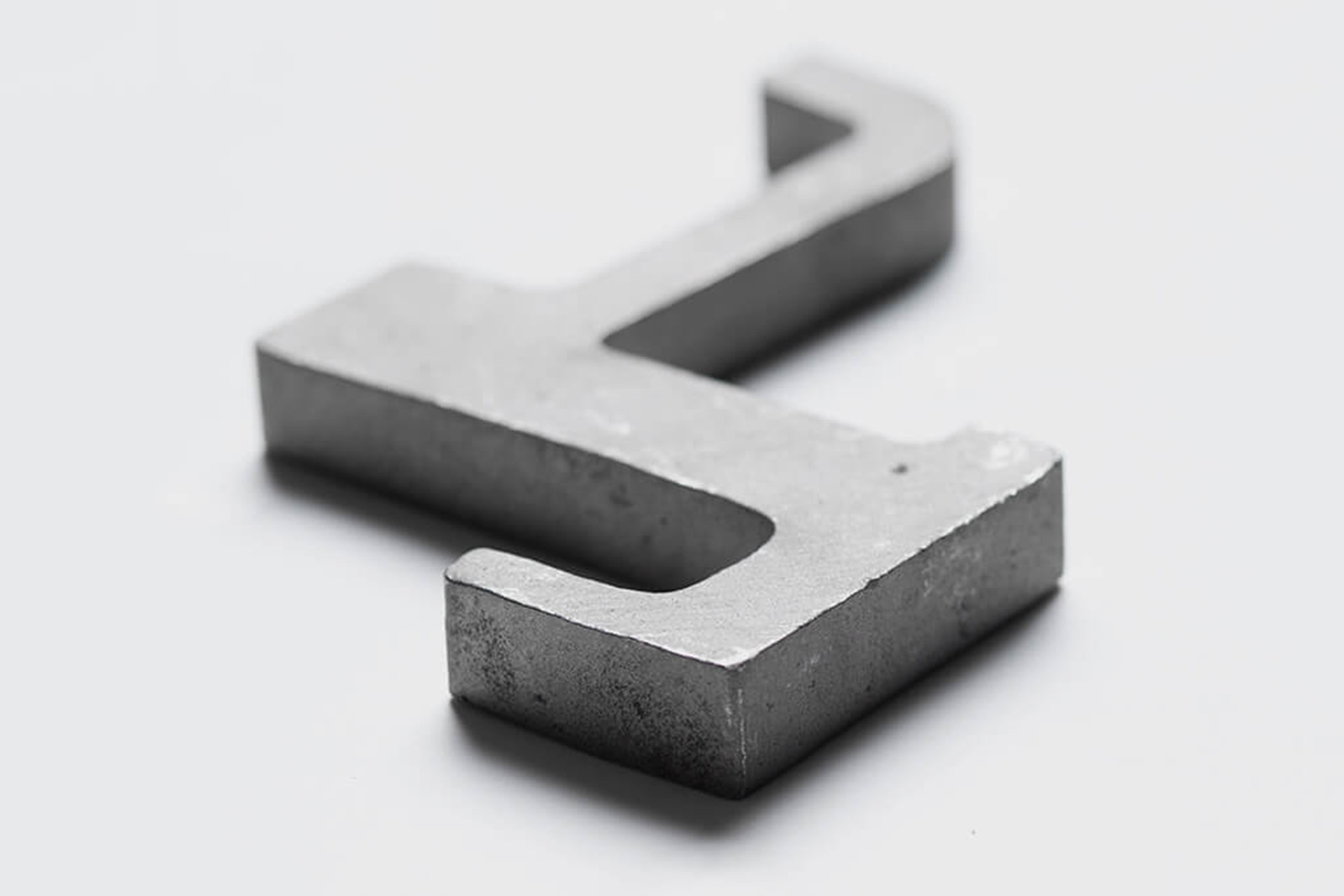
Steel Extrusion Profiles: Exploring Different Types, Materials, and Processes
Steel extrusion profiles are continuous metal shapes formed by pressing heated steel through a shaped die, creating a repeatable cross-sectional shape for structural, mechanical, and enclosure applications. In this guide, we will explain how the process works, which profile types are available, where material selection matters, and how to evaluate whether extrusion fits a custom steel component.
Table of Contents
Key Takeaways
- Shape flexibility: Steel extrusion supports custom cross-sections that would require more secondary work through other forming methods.
- Profile types: Solid profiles suit strength-focused parts, while seamless hollow profiles support weight reduction and enclosed internal shapes.
- Material choice: Carbon steel, stainless steel, and specialty alloys each fit different requirements for strength, corrosion resistance, and service conditions.
- Process fit: Hot extrusion works well when a repeated cross-section, dimensional accuracy, and reduced secondary machining support the part requirements.
- Quality control: Material certifications, dimensional checks, and clear specifications help keep custom profiles aligned with production expectations.
What Are Steel Extrusion Profiles?

Steel extrusion profiles are custom extruded steel profiles made by forcing heated steel through a die, which gives the material a continuous cross-sectional shape. The result is a long steel section that can later be cut, straightened, machined, or finished for the final component.
Essential characteristics include:
- Continuous shape: The die controls the repeated cross-section along the length of the profile.
- Custom forms: Extrusion can form complex shapes such as channels, angles, rails, hollow sections, and special-purpose profiles.
- Near-net shape: The profile comes out close to final dimensions, which can reduce machining afterward.
- Size limits: Each profile must fit within the practical maximum circle size, meaning the smallest circle that can surround the cross-section.
The main value is design freedom within a repeatable shape. Instead of building a custom section from multiple pieces, extrusion can create one continuous steel form with consistent structure along its length.
What Are the Different Types of Steel Profiles?

Steel profiles are commonly grouped by whether the shape is solid or hollow. The right choice depends on how the part carries load, how much weight matters, and whether the profile needs internal passages or enclosed sections.
- Solid profiles: Solid steel profiles include T, Z, H, L, channel, rail, bar, and other custom steel profiles used where section strength and direct load transfer matter.
- Hollow profiles: Seamless hollow profiles include tubes, closed sections, and profiles with internal cavities used where weight reduction, enclosed passages, or stiffness-to-weight balance matter.
- Special profiles: Custom shapes combine features such as flanges, grooves, undercuts, and uneven wall sections when a standard rolled shape does not match the part requirement.
A solid profile is usually needed when the component requires maximum section strength in a compact shape, such as a construction bracket or agricultural structural support. A hollow profile makes more sense when the part benefits from reduced linear weight, internal clearance, or a closed section that supports rigidity without making the component heavier than necessary.
How the Hot Extrusion Process Works

The hot extrusion process starts with billet heating, which brings steel to a temperature where it can flow under pressure without cracking under the force of the press. This is needed because steel has a high yield point and tensile strength, so it has to heat before the material can move cleanly through a die.
Once heated, the billet enters an extrusion press, where controlled force pushes the steel through a die opening. That die defines the profile’s cross-sectional shape, so die design controls features such as wall thickness, undercuts, flanges, channels, and internal cavities.
After pressing, the hot extruded steel profile cools under controlled conditions. Cooling affects dimensional stability, straightness, and the way the profile holds its shape before finishing.
Secondary operations prepare the extruded section for use in the final assembly. These may include straightening, cutting, machining, deburring, and finishing, depending on the part’s final specifications.
What Are the Main Types of Extrusion Methods?

The four main extrusion methods are hot extrusion, cold extrusion, warm extrusion, and friction extrusion. Each method uses pressure to move metal through a die, but the temperature and force conditions change the material behavior.
- Hot extrusion: Heated metal flows through the die more readily, making this the common choice for steel profiles.
- Cold extrusion: Room-temperature forming can improve finish and accuracy, but steel’s strength limits shape complexity.
- Warm extrusion: Moderate heat reduces forming force while keeping some benefits of colder working conditions.
- Friction extrusion: Rotational force generates heat and pressure, making it useful for specialized metal-forming applications.
Hot extrusion is the standard fit for steel because heat reduces the force needed to shape high-strength material. That allows the process to form profiles that would be difficult to produce cleanly through colder methods.
Choosing the Right Material for Steel Extrusions
Material choice affects corrosion resistance, strength, weight, machinability, surface finish, and total project cost. The right selection should match the profile’s working environment and mechanical properties, rather than defaulting to the highest alloy option.
| Material | Best For | Main Benefit | Main Limitation |
| Carbon Steel | Carbon steel fits structural profiles, brackets, supports, rails, and other components where strength and cost-effective production matter. It’s often the practical choice when the part doesn’t need elevated corrosion resistance. | It provides strong mechanical performance with good availability across common profile applications. For strength-focused custom steel profiles, it delivers the required yield point and tensile strength without unnecessary alloy cost. | It needs the right finishing strategy when corrosion resistance matters. Over-specifying stainless steel when carbon steel would meet the service requirement can add cost without adding useful performance. |
| Stainless Steel | Stainless steel profiles fit applications exposed to moisture, washdown, process fluids, or conditions where corrosion resistance carries more weight than base material cost. They are common in durable custom metal components that require longer surface performance. | Stainless steel combines strength with improved corrosion resistance, which can reduce the need for protective coatings in some environments. It also supports clean surface finishes where appearance or cleanability matters. | It can increase material and tooling considerations compared with carbon steel. The profile design must account for the alloy’s forming behavior during hot extrusion. |
| Titanium and Nickel Alloys | Titanium and nickel alloys fit high-stress, high-temperature, or corrosive environments where standard steels may not provide the required performance. They are selected for demanding service conditions rather than general-purpose profiles. | These alloys can provide high strength, corrosion resistance, or temperature performance in specialized components. They are useful when the operating environment drives the material choice. | They carry higher material and processing requirements. These alloys should be specified only when the service conditions justify the added complexity. |
The practical trade-off is straightforward. Carbon steel often fits strength-focused components where corrosion exposure is controlled, stainless steel fits parts that need corrosion resistance, and titanium or nickel alloys fit specialized environments where the application demands higher material performance.
While steel is used for strength-focused applications, brass extrusion is another option for components requiring corrosion resistance, electrical conductivity, or machinability. Learn more about our brass extrusion capabilities.
Examining the Ideal Project Fit for Custom Steel Extrusions

Custom steel extrusion fits best when the part needs a repeated cross-section, a complex shape, and enough production continuity to justify tooling. The process can support medium- to high-volume manufacturing because the die produces a repeatable form that can be cut and finished into consistent components.
Compared with cold drawn steel, hot extrusion is better suited to forming a custom cross-section before final finishing. Contrasted with hot rolled sections, extrusion also gives more freedom for custom shapes when the required profile does not match standard rolled forms.
The strongest project fit usually appears when the profile replaces a fabricated assembly or a heavily machined bar. You can consider this process when the project requirements include:
- Repeated cross-section: The same profile shape runs along the length of the component.
- Complex shape: The profile includes channels, flanges, undercuts, or hollow sections that standard stock shapes cannot provide.
- Dimensional accuracy: The part needs controlled tolerances tied to specifications and engineering drawings.
- Reduced machining: The profile can be extruded close to final shape before cutting or finishing.
- Tooling justification: The project has enough continuity for die design and tooling costs to make practical sense.
Other Steel Extrusion Considerations

- Part size matters. Every extruded shape must fit within the maximum circle size that the press and tooling can support, so the circumscribing circle becomes an early feasibility checkpoint. Additionally, wall thickness, linear weight, and profile symmetry also affect how cleanly the steel fills the die.
- Solid profiles suit direct load paths, mounting features, and structural sections such as construction brackets and agricultural structural supports.
- Hollow or custom profiles may also support metal assemblies used around energy equipment enclosures, medical device housings, and mining wear components where stiffness, weight, and fit all influence the final profile.
- Extrusion forms the main profile efficiently, while secondary operations handle features that need tighter final dimensions, such as drilled holes, tapped sections, precise cut lengths, or machined mating surfaces.
Securing Reliable Custom Steel Profiles
Steel extrusion works best when material choice, cross-sectional shape, and tolerance expectations are settled together. Carbon steel, stainless steel, and specialty alloys each serve different requirements, so the strongest selection often comes from matching the material to the working environment rather than specifying more alloy than the part needs.
Before acting, we recommend defining the profile’s final shape, wall thickness, circumscribing circle, finish needs, and specifications. Those details should clarify whether extrusion can deliver the required dimensional accuracy, reduce secondary machining, and support reliable production of your custom profile.
Need Help Sourcing Custom Steel Extrusion Profiles?
The Federal Group USA provides custom hot extrusion services for businesses requiring durable, high-volume steel extrusion profiles and custom metal components.
- ▸QMS 9001:2015 Certified — every part built-to-print
- ▸In-house engineering, casting, forging & machining
- ▸Medium- to high-volume production since 1980
Richard Jegla
Sales Engineer
Richard has been on The Federal Group team for 24 years and his knowledge spans a variety of mechanical engineering topics. When he isn't assisting his clients, he is routinely working on his motorcycles and off-road vehicle projects.
Up Next


