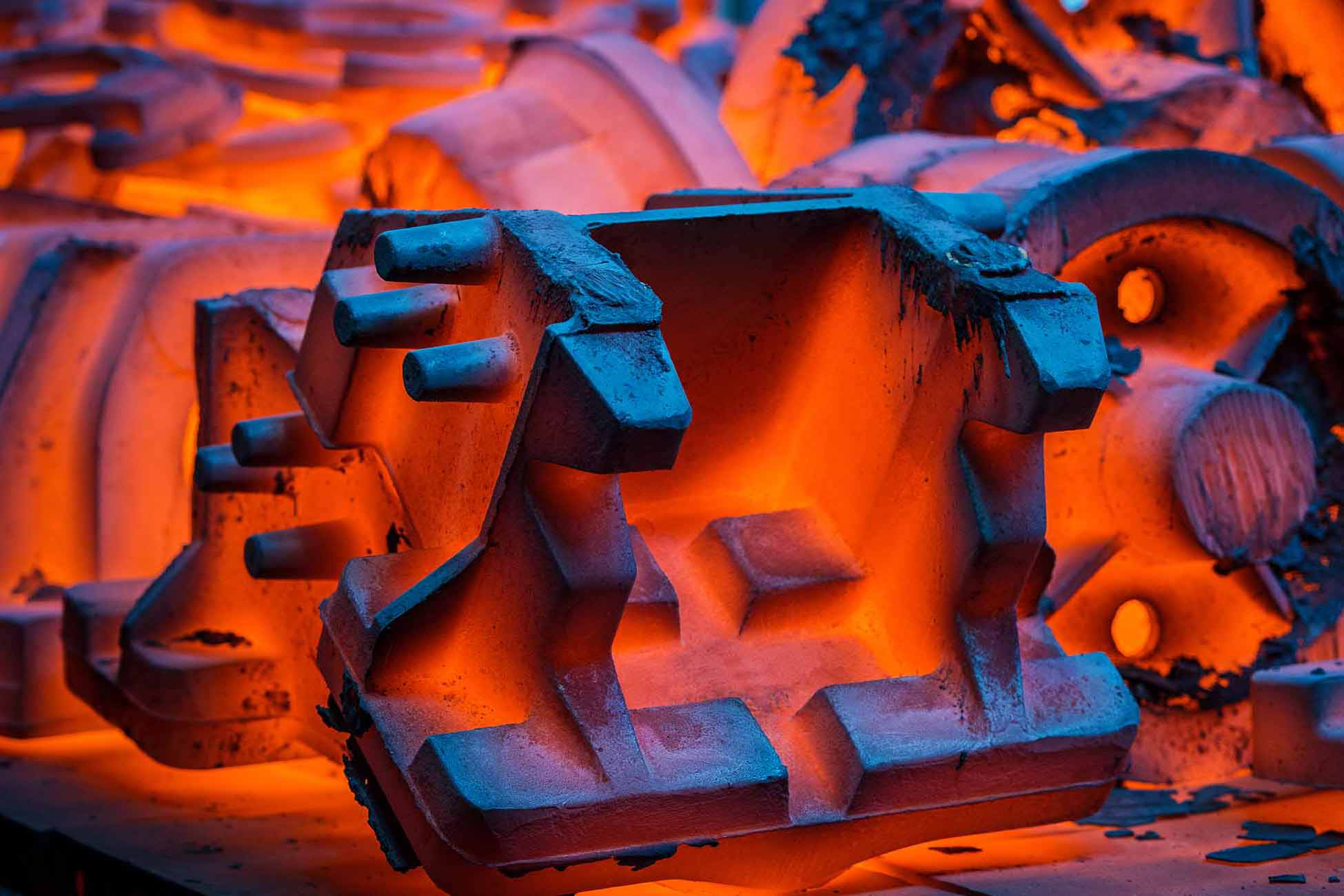
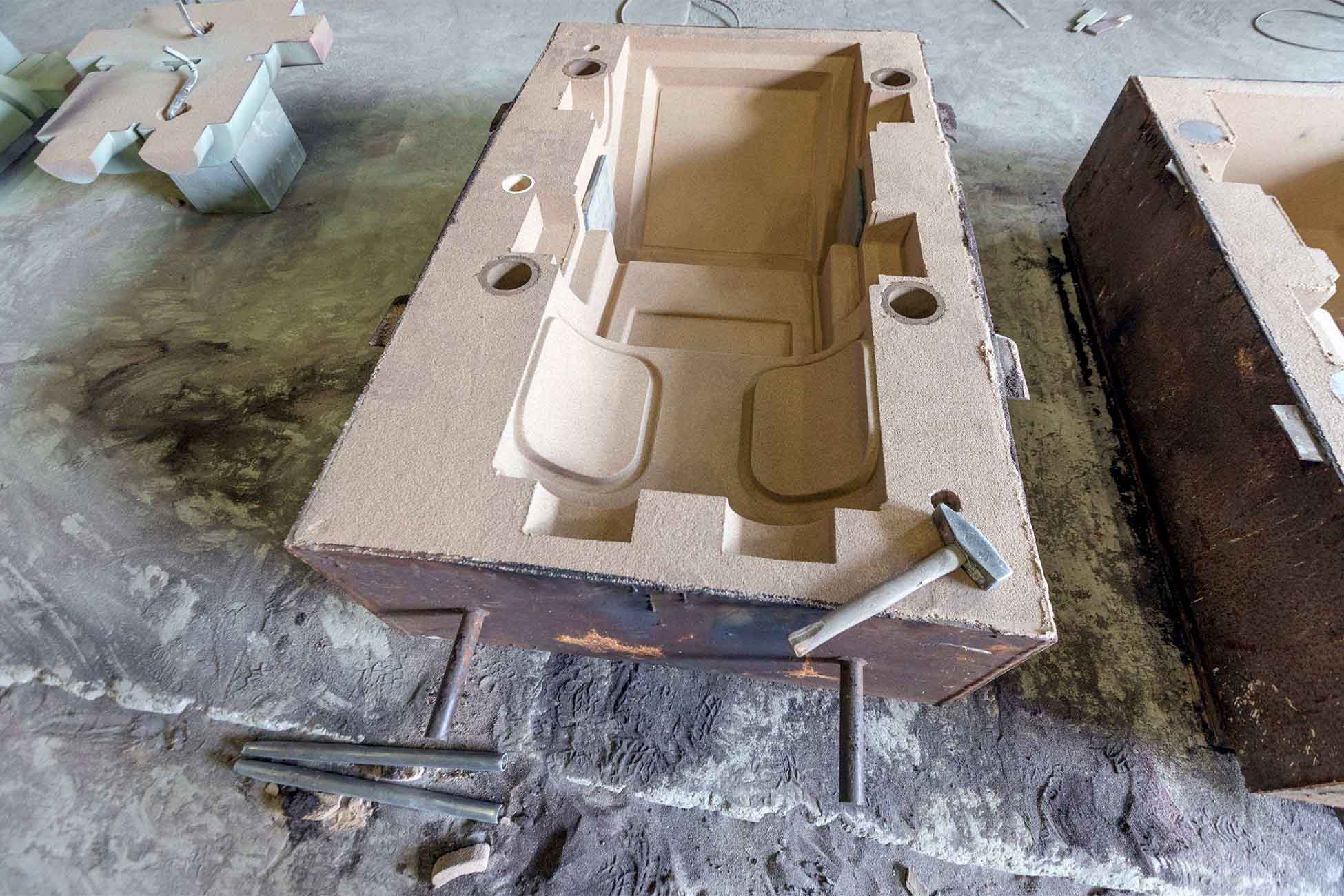
Sand casting defects are unwanted structural or cosmetic flaws that occur during the metal pouring and solidification process. These imperfections can range from minor surface blemishes to severe internal weaknesses that compromise a part’s structural integrity.
Identifying the root causes of these flaws early is critical to preventing costly part rejections and securing a stable, reliable supply chain for high-volume manufacturing.
Table of Contents
Key Takeaways
- Production Impact: Unidentified casting flaws lead to high rejection rates and severe supply chain disruptions.
- Defect Categories: Most issues stem from trapped gas, metal shrinkage, or mold material failure during pouring.
- Root Cause Identification: Diagnosing the exact location and type of flaw is required to apply the correct manufacturing control.
- Quality Management: Preventing defects in high-volume production requires strict, standardized quality control checkpoints at every phase.
What Are Sand Casting Defects?
Sand casting defects are unwanted imperfections or structural flaws that occur during the metal pouring and solidification process when using sand molds. These issues happen when variables like pouring temperature, mold compaction, or gas ventilation fall out of alignment.
The resulting flaws can range from minor cosmetic surface issues to critical internal weaknesses that compromise the structural integrity of the final metal component. When liquid metal behaves unpredictably inside the mold cavity, it leaves behind voids, cracks, or other metallurgical defects that weaken the part and compromise its dimensional accuracy.
What Are the Common Defects Found in Sand Casting?

Defects are categorized by their root cause, so identifying the specific visual signature helps narrow down the mechanical failure. The following table outlines the most frequent types of casting defects and their primary triggers.
| Defect Name | Visual Appearance | Primary Cause | Main Prevention Method |
| Blowholes and Porosity | Smooth, rounded cavities on the surface or inside the part | Trapped gas or high moisture content in the green sand | Improve mold permeability and control sand moisture |
| Sand Inclusions | Irregular pits or embedded sand particles on the metal surface | Loose sand washing into the molten metal during pouring | Strengthen mold compaction and optimize gating system design |
| Shifts and Mismatches | A visible step, misalignment, or excess flash along the parting line | Misaligned cope and drag halves, or a core shift inside the sand mold | Secure mold alignment pins and use precise pattern placement |
| Metal Penetration and Scabs | Rough, crusty layers of fused sand and metal on the surface | Weak sand compaction, degraded sand binder, or excessively high pouring temperatures | Ensure uniform ramming and regulate the pouring temperature to protect the surface finish |
The table above highlights that mold preparation and pouring temperature are the most critical control factors in the casting process. Adjusting one variable often impacts another, so preventing these issues requires a carefully balanced approach to sand mixing, mold ramming, metal temperature control, and the pouring rate.
Identifying Sand Casting Defects

Diagnosing a flawed part starts with understanding what you are looking at on an inspection report. Troubleshooting requires identifying two critical variables: the specific metal alloy being cast and the exact location of the defect.
Start With the Metal Alloy
Different materials behave differently during the solidification process. Aluminum casting is highly prone to trapping oxides, while cast iron and cast steel have distinct shrinkage behaviors that require specialized gating designs.
Locate Surface Defects by Visual Inspection
Once you know the material, you must locate the flaw. Visual inspection quickly identifies surface issues like mold shifts, metal penetration, scabs, or hot tears. These cosmetic flaws are easy to spot and correct on the shop floor.
Find Internal Defects With Non-Destructive Testing
Internal issues are much harder to find without the right equipment. You will need non-destructive testing, or NDT, to reveal hidden blowholes, gas porosity, and deep shrinkage cavities. A part might look perfect on the outside, yet an NDT report will show internal voids that completely compromise its structural integrity.
How to Overcome Casting Defects

The true causes of casting defects usually trace back to the early planning stages. Troubleshooting sand casting is rarely about quick fixes on the production line, so it requires thorough root cause analysis.
Overcoming these flaws in medium- to high-volume manufacturing requires proactive engineering feasibility reviews on submitted drawings before any metal is poured. This upfront work ensures the gating and mold designs are properly optimized to handle the specific alloy.
Once production begins, the focus shifts to process consistency. You must implement strict, standardized quality control checkpoints to monitor variables like sand moisture, mold permeability, and pouring temperatures.
Catching a temperature drop early prevents a cold shut, and adjusting sand compaction stops metal penetration. These controlled checkpoints are designed to verify that parts meet your built-to-print specifications without relying on guesswork.
Securing Reliable High-Volume Metal Casting
Consistent part quality relies entirely on strict process controls and proactive engineering review. Controlling mold design and pouring temperatures prevents high rejection rates and costly production delays. By understanding how to identify these flaws on an inspection report, you can take immediate action to stabilize your supply chain.
True scalability requires treating quality control as a systemic requirement rather than a post-production afterthought. Preventing supply chain disruptions means partnering with a metal casting manufacturer who builds standardized checkpoints into every phase of the casting process.
Need Help Preventing Sand Casting Defects?
The Federal Group USA is a full-service manufacturing partner providing custom sand casting services for businesses requiring durable, high-volume metal components.
- ▸9001:2015 Certified Quality Management System.
- ▸Manufacturing Facilities in the U.S., India & Taiwan.
- ▸Custom Metal Components for Medium- to High-Volume Production Since 1980.
Robert Levy
Manufacturing Business Leader
Owner of The Federal Group for 44 years, Robert is a serial entrepreneur and built his manufacturing business from scratch at the age of 26. He is an expert on all things forging, casting, and machining. On the weekends, he enjoys golfing, playing guitar, and spending time with family.
Up Next


